Working out Chinese lucky numbers, in the sense used by this reference, means counting the digits 8, 9, and 4 inside a short string and recording where each appears — not generating a score, ranking a price, or predicting an outcome. The three digits have widely reported sound associations in Chinese: 8 (bā) is connected with becoming prosperous because it sounds like 发 (fā), 9 (jiǔ) is linked with longevity because jiǔ also means long-lasting, and 4 (sì) is often avoided because it sounds like 死 (sǐ), the word for death. Because those links are language-based customs rather than properties of the numbers themselves, any tool that works them out has to be transparent about what it actually counts and what it deliberately leaves unsaid. The Chinese Lucky Numbers analyzer is built around that transparency: it accepts a string, normalizes it, counts the literal occurrences of 8, 9, and 4, lists their positions, and labels every other digit as neutral or unclassified by this tool. There is no combined luck score, no ranking, no purchase recommendation, and no advice about paying a premium. The result is a plain inventory that the reader interprets in light of their own context.
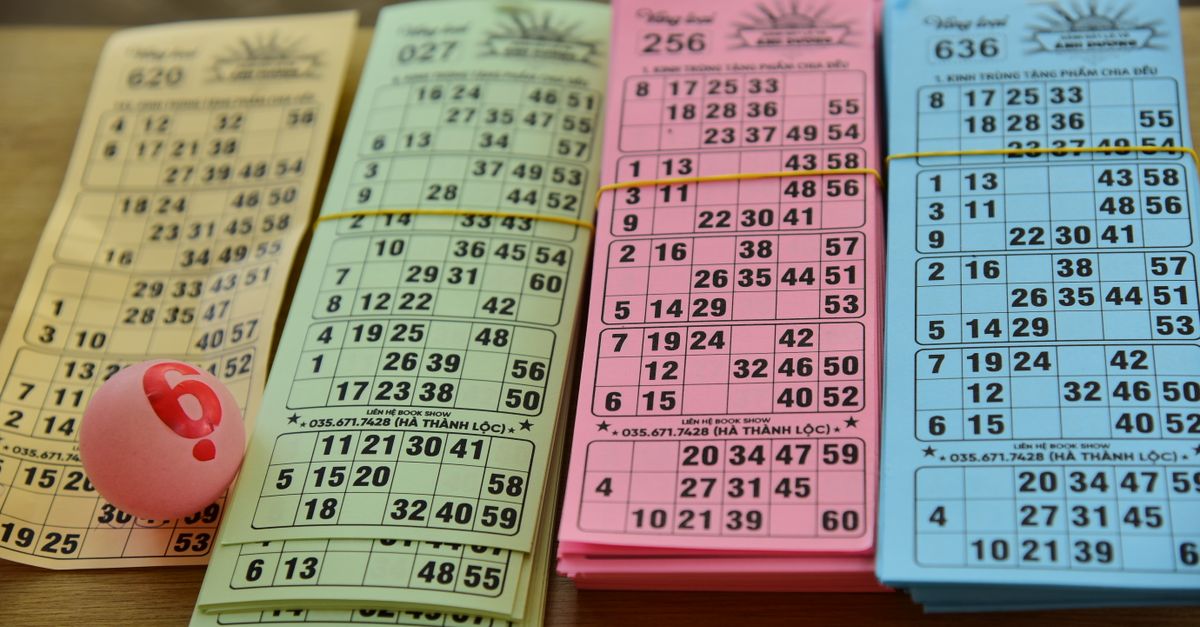
The Cultural Associations Behind 8, 9, and 4
Before working out any string, it helps to know what each digit is supposed to represent and why a careful analyzer only covers three of them. The associations are sound-based and language-bound, so they vary by region, dialect, community, generation, and the situation in which a number appears. A person or business may ignore the custom, emphasize a different number, or interpret a combination in their own way; the analyzer uses cautious wording such as "associated with" and "commonly avoided" rather than declaring that a digit is universally lucky or unlucky.
Digit 8 is associated with prosperity or wealth because its Mandarin pronunciation, bā, can resemble 发 (fā), the verb meaning to become rich or to send out, and that resemblance is widely cited in commerce, gift-giving, and the timing of openings. Digit 9 is associated with longevity or something long-lasting because jiǔ (nine) is homophonous with the adjective jiǔ meaning enduring or long, which is why pairs like 99 show up around weddings, anniversaries, and the Double Ninth festival in Chinese-speaking regions. Digit 4 is often avoided because sì (four) sounds like sǐ, the word for death; many buildings in Chinese-speaking regions skip the fourth floor, and phone or plate numbers containing several 4s are sometimes discounted. Each of these is a cultural reference rather than a universal property of the digit itself.
For deeper background on the pronunciation patterns that anchor these customs, two cited sources are useful starting points: the Malaysian Management Journal article on number beliefs and pronunciation and the Carnegie Mellon lecture notes on China in everyday life, both of which frame the connections as cultural conventions rather than guaranteed outcomes. Readers who want a fuller cultural explainer can also read Chinese Lucky Numbers: What 8, 9, and 4 Really Mean, which expands on each association in more depth.
What "Working Out" Means in This Context
The phrase "work out Chinese lucky numbers" can mean very different things depending on the source. Some methods reduce a birth date to a single digit, others link digits to the five elements or the Lo Shu grid, and still others consult a master or app for a personalized lucky number. The method used here is much narrower: it is a digit-string inventory. The Chinese Lucky Numbers tool counts how many times the literal characters 8, 9, and 4 appear in the text you supply, and it records the 1-based positions of those digits inside the cleaned-up digit-only sequence. That is the entire job. Everything else — what the string means in your life, whether a price is worth paying extra for, whether a phone number is better than another — is left to the reader.
| What the tool does | What the tool deliberately does not do |
|---|---|
| Counts literal 8, 9, and 4 in your string | Combine counts into a luck score |
| Lists 1-based positions of each 8, 9, and 4 | Rank phone numbers, addresses, plates, or prices |
| Normalizes fullwidth digits 0–9 to ASCII | Infer a personal meaning from your string |
| Labels 0, 1, 2, 3, 5, 6, and 7 as neutral or unclassified | Recommend paying a premium or making a purchase |
| Processes everything in current-tab memory | Persist input, fetch data, or write to storage |
That boundary is not a marketing choice; it is the implementation rule. By refusing to invent a scoring formula or a ranking, the analyzer avoids the trap of presenting three cultural sound-resemblances as if they were a complete system. Other digits are real parts of Chinese number culture in other sources — they just sit outside the three source-bounded claims this page is built on. The result page says "neutral" or "unclassified by this tool," never "unlucky." That single word choice matters: a digit can be unclassified without being condemned.
How to Analyze a Digit String with the Tool
The procedure for working out the three culturally discussed digits is intentionally short. Follow these steps in order, and you will end up with the same counts and positions the tool reports on screen.
- Read the three reference cards. The page lists 8, 9, and 4 with their source-bounded associations and reminds you that language, region, and personal practice vary. Skim that wording so you interpret the numbers as cultural references, not physical properties of the digits.
- Enter a short string containing digits. You can paste up to 64 Unicode code points, including any optional separators, letters, or punctuation. The input accepts fullwidth digits (0 through 9) as well as ordinary ASCII digits, and it normalizes the former into the latter before counting.
- Choose Analyze digits. The tool strips everything that is not a digit, retains digits in their original order, and records the 1-based positions of every 8, 9, and 4 inside that retained sequence. Counts and position lists appear in three separate result cards.
- Read the counts and positions, not a score. A count of two 8s is simply two 8s. The tool does not say a string is better than another, does not predict wealth or health, and does not infer any personal meaning from where the digits originally came from.
- Use Clear to reset. When you want to start over or remove the local input and result from view, use the Clear button. All processing happens in the current tab; nothing is stored, uploaded, or sent to a server.
A quick worked example shows the position rule clearly. If you enter 8498, the tool retains all four digits in order. The first 8 is at position 1, the 4 is at position 2, the 9 is at position 3, and the second 8 is at position 4. The analyzer reports one 4 (position 2), one 9 (position 3), and two 8s (positions 1 and 4). Because no other digits are present, the neutral card shows zero across the board. The arithmetic here is just listing positions, not adding them into a total.
Reading Counts and Positions Without a Score
The output panel uses three result cards: one for 8, one for 9, and one for 4. Each card lists a total count and the retained-sequence positions for that digit. If a string contains no 8s, the 8 card simply shows a count of zero with no positions listed. The same applies to 9 and 4. A fourth group covers neutral digits (0, 1, 2, 3, 5, 6, and 7), which are reported as a single bundled count labeled "unclassified by this tool" rather than as separate counts per digit. Neutral is the analyzer's honest answer for digits it does not classify; it is not a verdict on whether those digits matter elsewhere.
That layout is doing real work. By separating the three culturally anchored digits from the neutral group, the analyzer makes the source boundary visible. A reader who wants to ask about, say, the digit 6 will not find it ranked or commented on here; the tool will simply count it under the neutral group and leave the cultural interpretation to a source that actually discusses 6. In a string such as 1688, for example, the tool would report two 8s at retained positions 3 and 4, no 4s, no 9s, and two neutral digits (1 and 6) without commentary. The reader can then take those counts to their own context — a wedding date, a phone number, a price, a plate — and decide what, if anything, the cultural associations mean in that situation.
Limits, Neutral Digits, and Honest Boundaries
The analyzer imposes a small set of limits because they change whether the tool can do its job. The input is capped at 64 Unicode code points; longer input is rejected. Strings that contain no digits after normalization are rejected rather than answered with a fabricated interpretation, because an empty inventory is not an answer. Fullwidth digits are normalized to ASCII so that 8 and 8 are not double-counted as separate characters. All processing runs in current-tab memory; the tool does not fetch, upload, or write to localStorage, sessionStorage, or any analytics endpoint, and it does not require an account.
Two further boundaries are worth stating plainly. First, the tool does not validate that the string is a real phone number, address, card, account, plate, date, or business name, and it does not need to — it treats the input as text. Second, anyone who can see or control the device can see the current field, so pasting sensitive identifiers is a bad idea even though nothing leaves the browser. Both points exist because the tool is a counting utility, not a record keeper or an advisor. The interface uses text labels for counts and positions, native controls with at least a 44-pixel target, and result cards that stack on narrow screens so the inventory stays legible on phones.
When This Method Is the Right One to Reach For
Reach for the Chinese Lucky Numbers analyzer when you want a transparent, source-bounded inventory of the three most widely discussed digits in a string, with positions preserved. Reach for a different approach when you want a personalized life path, a five-elements match, a Lo Shu grid reading, or a birth-date reduction. The accompanying guide on counting Chinese lucky numbers in a wedding date shows the same method applied to a specific case, and the broader set of Chinese number sources cited earlier in this article stays the right place to dig into the cultural meaning behind each association.
Working out Chinese lucky numbers, in this deliberately narrow sense, is a counting task with cultural context attached — not a forecast. The tool gives you the counts and positions, and the interpretation belongs to you, your community, and your situation.