A bra size calculator is accurate enough to use as a reliable starting point, with modern versions matching the method professional fitters actually use today. The math is simple and transparent: your band comes from your underbust rounded to the nearest even number, and your cup comes from the difference between your bust and band, at roughly one inch per cup letter. Two tape measurements, entered in matching units, are all the calculator needs to return your band and cup in the US, UK, and EU systems at once. What the number cannot capture is the way a specific brand, fabric, or style of bra sits on your body, and that is where the estimate stops being precise. Treat the result as a trustworthy first guess, then use a real-world try-on to confirm the band sits level and the cups fully contain the breast without gaps or spillage.
Most readers searching for an accurate bra size calculator want the same thing: a number they can rely on before they order. The calculator gives you that. The next two questions are why some calculators disagree, and how to push the result closer to a real fit. Both have clear answers.
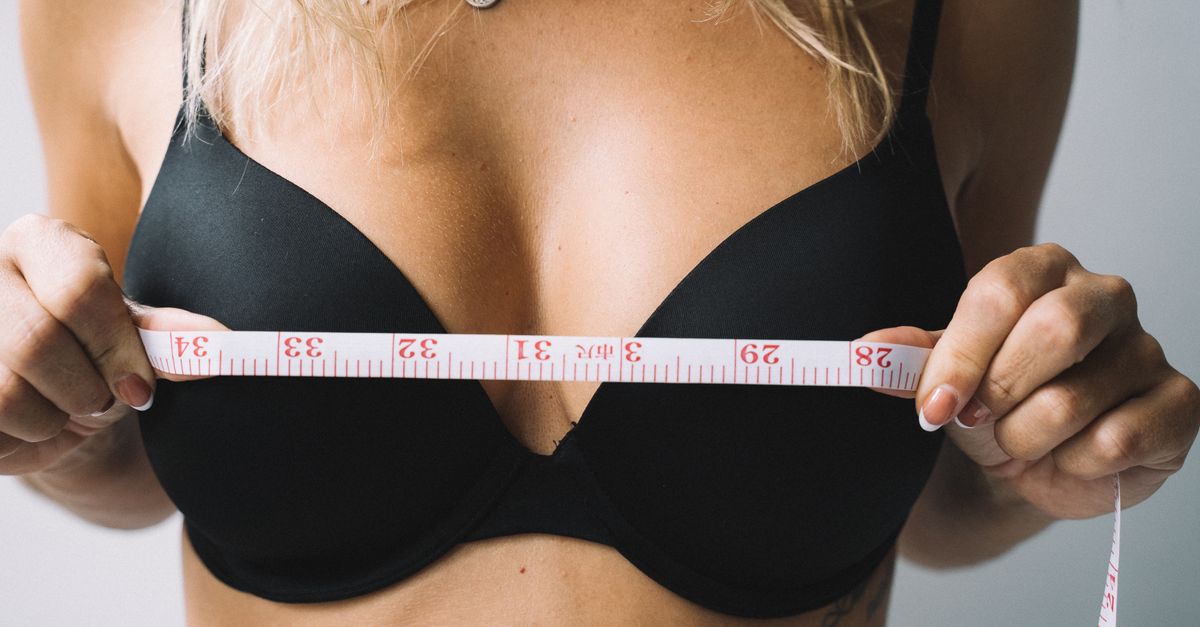
How to Use the Bra Size Calculator
The fastest path to a trustworthy size is to feed your two measurements into the Bra Size Calculator, which turns them into a band number and cup letter in three regional systems at once.
- Pick inches or centimeters at the top of the calculator so the units match the tape you are about to use.
- Wrap a soft tape snug and level around your ribcage directly under your bust, breathe normally, and read the number. This is your underbust.
- Measure loosely around the fullest part of your bust, keeping the tape parallel to the floor, and read that number.
- Type both numbers into the calculator; the result updates as you type.
- Read off your estimated band and cup in the US, UK, and EU columns.
That five-step flow is the entire input. The result is an estimate of your band and cup, not a guarantee that any specific bra labelled that size will fit.
What Makes the Calculation Accurate
The Bra Size Calculator uses the same method professional fitters recommend today, often called the modern or "no +4" method. The math has two clean pieces.
First, the band: the underbust measurement is rounded to the nearest even number. A 32.4-inch underbust becomes a 32 band, and an odd 31 rounds up to a 32. Second, the cup: the cup letter equals the difference between your bust and your band, at roughly one inch of difference per letter.
| Bust minus band (inches) | Cup letter |
|---|---|
| 1 | A |
| 2 | B |
| 3 | C |
| 4 | D |
| 5 | DD |
| 6 | DDD |
A quick worked example: a 32-inch underbust with a 36-inch bust. The band is the underbust rounded to the nearest even number, which is 32. The cup is the difference: 36 − 32 = 4 inches, which corresponds to a D. The result is a 32D.
The reason this method is considered accurate is that it uses the underbust you actually have rather than a padded version of it. If you want a closer look at how the underbust and bust combine into a final size, see the bust and underbust method guide.
Why Different Calculators Give Different Sizes
Most disagreement between bra size calculators traces back to one choice: whether to add inches to the underbust before choosing the band. The older US store method adds 4 or 5 inches to the underbust, which produces a larger band and a smaller cup for the same body.
Take the same 32-inch underbust and 36-inch bust from the worked example. On the older +4 chart, the band becomes 32 + 4 = 36 and the cup becomes 36 − 36 = 0, or roughly an AA. The same body comes out as 36AA on an old chart and 32D on a modern one. Modern calculators drop the +4 step entirely. That single change explains most of the disagreement you will see between older charts, online tools, and in-store fittings.
If two calculators give you different bands, check which method each one uses before trusting either. The one that does not add inches to your underbust is usually closer to your true size.
US vs UK vs EU: Same Cup Letter, Different Volume
Up to a D cup, US, UK, and EU labels agree. Above D, the cup letters split.
| US | UK | EU |
|---|---|---|
| A | A | A |
| B | B | B |
| C | C | C |
| D | D | D |
| DD | DD | E |
| DDD | E | F |
| G | F | G |
Band numbers match between the US and UK (both use inches) and convert to centimeters in the EU: a 34 band equals EU 75, a 32 band equals EU 70, a 36 band equals EU 80. The same letter can mean a different cup volume across regions, so always check which system a label is using before you order. For a deeper breakdown of how the US band number and cup letter combine, see the US bra size explained guide.
Measuring Right at Home for a More Accurate Number
The calculator is only as accurate as the numbers you give it. Five small habits tighten the result by half a cup or a band.
- Stand in front of a mirror so the tape does not twist and you can spot a tilted reading.
- Pull the underbust tape snug — you should be able to slide one finger under it but not two. A loose underbust makes the band too big.
- Keep the bust tape level, parallel to the floor. A drooping tape overestimates the bust and pushes the cup up.
- Measure braless or in a thin, non-padded bra. Push-up and padded bras add an inch or more to the bust reading.
- Take the underbust twice. If the numbers differ, use the snugger reading.
Two minutes of careful taping can move a 34C result to a 32D, which usually fits far better. That single adjustment is the biggest accuracy lever you have at home.
Where Calculator Accuracy Stops
A calculator cannot read the cut, fabric, or construction of a specific bra. Moulded cups, plunge shapes, full-coverage styles, and stretch lace all fit differently at the same labelled size. A 34D in one brand can run smaller or larger than a 34D in another, sometimes by a full cup.
Bodies also change. Weight shifts, training, pregnancy, hormonal cycles, and posture all alter your numbers by half a cup or a band over months. A calculator result from two years ago is a reasonable starting point, not a current answer.
This is why the Bra Size Calculator describes its output as an estimate. The math is reliable; the fit of any individual bra is not. Use the number as a strong starting point, then verify by trying the bra on before you commit.
Confirming the Fit After You Get a Number
Three physical checks turn the calculator's number into a confirmed fit.
- The band sits level all the way around your torso, parallel to the floor, and feels snug without digging in.
- The cups fully contain your breast with no spillage at the top or side and no empty fabric pooling at the bottom.
- The straps stay in place without doing all the work. If they dig in, the band is too loose and the straps are compensating.
If two of those checks fail, the simplest adjustment is a sister size: go down a band and up a cup for a snugger feel, or up a band and down a cup for a looser one. A 34C that gaps in the cups can become a 32D, and a 32 band that digs can become a 34B, without changing the actual cup volume.
That sister-size step is the last piece of the accuracy story. The calculator gives you a band and a cup; the mirror, the fit test, and a willingness to nudge one size up or down give you a fit.