A 32-inch underbust and a 36-inch bust give an estimated 32D in the US and UK, equivalent to 70D in the EU.
This bra size calculator example follows the modern two-measurement method: round the snug underbust to the nearest even band, then translate the difference between bust and band into a cup letter. The Bra Size Calculator applies that method to your measurements and returns estimated US, UK and EU sizes, allowing you to reproduce the example and interpret your own result.
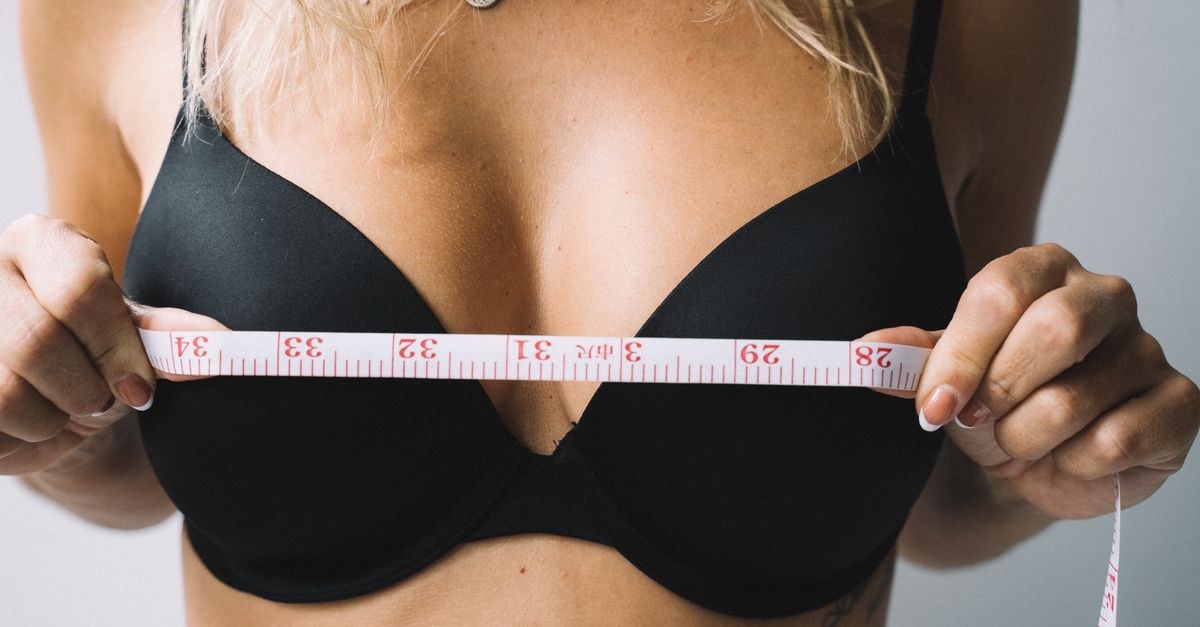
Measure Your Band and Bust
- Choose inches or centimeters. Select one unit and use it for both measurements so the results remain consistent.
- Measure your underbust. Wrap the tape snugly and level around your ribcage directly under your bust. This reading sets the band measurement.
- Measure your bust. Wrap the tape loosely around the fullest part of your bust, keeping it parallel to the floor. Pull it snug enough to stay in place without compressing the breast.
- Enter both numbers. Type the underbust and bust readings into the calculator. The estimated result updates as you type.
- Read each regional result. Note the band number and cup letter for the US, UK and EU. Confirm which regional system a bra label uses before comparing it with the result.
The difference in tape tension is important. The underbust should be snug because it establishes the band, while the bust measurement should sit loosely around the fullest point. A tape held too tightly around the bust can produce a smaller reading than the measurement the calculator expects.
For the truest numbers, measure braless or while wearing a thin, non-padded bra. Keep the tape level for both readings, write down each measurement, and enter the values without adding any extra inches yourself. The calculator handles the band rounding and cup calculation.
Work Through the 32-Inch and 36-Inch Example
This example begins with an underbust measurement of 32 inches and a bust measurement of 36 inches. Both numbers describe the same person and use the same unit.
Calculate the band: the modern method rounds the underbust to the nearest even number. Since 32 is already an even band number, the calculated band remains 32.
Calculate the cup difference: subtract the calculated band from the bust measurement. In this example, 36 − 32 = 4 inches. A four-inch difference corresponds to a D cup.
Read the regional output: the US and UK use the same band number and retain the D cup letter through that size, giving 32D in both systems. The EU band converts from 32 to 70, and cup letters remain identical through D, so the equivalent EU result is 70D.
This is one calculation from one set of measurements, not a recommendation for every body or bra style. The word “estimated” matters because labels and fit can vary between manufacturers, even when two bras carry the same nominal size.
Map the Cup Difference to a Letter
After finding the band, the cup calculation depends on the difference between the bust measurement and that calculated band. The following reference mapping shows the cup letters used by the calculator’s modern method:
| Bust minus band | Cup letter |
|---|---|
| 1 inch | A |
| 2 inches | B |
| 3 inches | C |
| 4 inches | D |
| 5 inches | DD |
| 6 inches | DDD |
The rule is roughly one inch of difference per cup letter. Use the mapping as a reference rather than treating the calculator as a substitute for trying on a bra. The band is rounded before the cup difference is calculated, which is why subtracting the original underbust instead of the calculated band can produce a different result.
Cup letters also require regional care. They agree through D, but some larger US and UK labels translate differently in the EU. A cup letter by itself does not guarantee identical volume across regions.
Compare US, UK and EU Labels
The three systems present the same measurement differently. The table below compares their band formats and the regional differences that matter when reading a label:
| System | Band number | Cup-label note |
|---|---|---|
| US | Inches; matches the UK band number | Matches UK letters through D, then diverges |
| UK | Inches; matches the US band number | US DD remains DD, while US DDD becomes E |
| EU | Centimeters converted from the inch band | US DD becomes E, while US DDD becomes F |
In the worked example, the 32 band becomes EU 70. Because D is one of the letters that remain unchanged across all three systems, the US and UK result of 32D corresponds to 70D in the EU. Beyond D, do not copy a cup letter across regions without checking the conversion.
The same letter can represent a different cup volume in different regions. When shopping in another country, check whether the retailer labels sizes as US, UK or EU and compare like with like. A calculator result is most useful when the measurement method and regional system on the product label agree.
Why Another Calculator May Show a Different Size
One clear source of disagreement is the band-sizing method. The calculator described here uses the modern method: the underbust is rounded directly to the nearest even number. Some older US store charts first add 4 or 5 inches to the band and then calculate the cup. That approach produces a larger band number and a smaller cup letter, so two calculations can disagree even when they use the same body measurements.
Before comparing results, check that both measurements were entered in the same unit and that the underbust reading was taken directly under the bust. Also check which sizing method the other calculator uses. A band number that appears unusually large may reflect the older store-chart method rather than a different tape measurement.
For a closer explanation of why calculated sizing remains an estimate, see How Accurate Is a Bra Size Calculator? What to Know.
Choose a Starting Size and Confirm the Fit
If your underbust falls between two even band numbers, try both the calculated size and its sister size. To aim for a tighter fit, go down one band and up one cup. To aim for a looser fit, go up one band and down one cup. These adjustments provide a starting point rather than a guarantee.
Try on the bra whenever possible. The band should sit level and snug, and the cups should fully contain the breasts without leaving gaps or causing spillage. A size that looks correct on a chart can still fit differently because cup and band sizing varies significantly between brands, styles and materials.
Your measurements can also change over time, so avoid relying permanently on a result calculated months earlier. Re-measure when your body, preferred fit or bra style has changed. The calculator provides a practical starting point by combining the band and cup into a US, UK and EU estimate; the fit check confirms whether that starting point works for you.
Related reading: Convert Bra Size to Bust: Estimate the Circumference.