A picture word puzzle is a visual rebus where words are arranged through position, repetition, nesting, or size to suggest a common English phrase, and the Rebus Puzzle Game uses exactly five of these arrangements for a reproducible 1,000-point route. The opening card places the word MAN directly above the word BOARD, and a quick read of that spatial relationship yields the phrase "man overboard." Card two puts the word READING between two horizontal lines, hinting at "reading between the lines." Card three repeats the word CYCLE three times in a row, card four nests one WORLD inside another, and card five renders the word TALK at a deliberately small size. Each card is built from accessible HTML and CSS rather than a flat image, which means the text remains readable by assistive technology and the visual relationship can be described without revealing the answer. The five cards appear in the same order every restart, so the full run is deterministic rather than drawn from a random bank. That makes the challenge a clean exercise in visual wordplay rather than a quiz about general English knowledge.
What a Picture Word Puzzle Actually Is
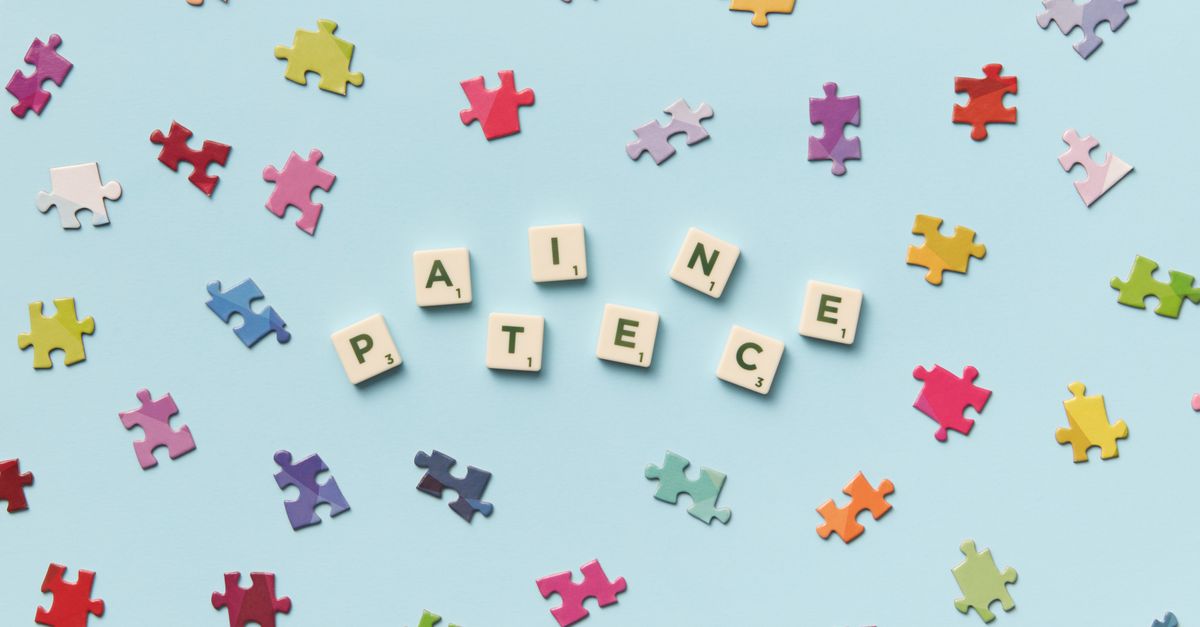
Picture word puzzles — also called rebus puzzles — show familiar English words arranged in a way that suggests a phrase. The visual treatment does the work: a word placed above another can imply "over," a word repeated three times can imply "tri," and a word drawn very small can imply the concept "small." The Rebus Puzzle Game adopts that exact format and limits it to five original cards so the entire challenge stays in scope. Every card is built from accessible HTML and CSS, so the words themselves stay visible and the surrounding card offers a concise label describing the relevant visual relationship without revealing the answer. That structure keeps the puzzle honest: the answer is always recoverable from the displayed arrangement, never from outside knowledge.
Two design choices keep picture word puzzles useful as a quick browser activity. First, the same five cards appear in the same order on every restart, so the route can be learned, repeated, and compared without randomness. Second, every card is locally authored rather than borrowed from a screenshot or stock puzzle library, which means the visual mechanisms are consistent and the accepted phrases can be stated up front. The game also makes no claim about language proficiency, intelligence, or cognition; the score only measures completion of these five authored cards under the displayed rules.
The Five Visual Mechanisms Behind a Picture Word Puzzle
Each of the five cards uses a distinct visual mechanism, so the challenge rotates through classic rebus techniques: position, repetition, nesting, and size. Knowing which mechanism a card relies on narrows the phrase candidates quickly, and the disclosed card sequence makes the route easy to study before you submit.
| Card | Visual Mechanism | Word Arrangement | Disclosed Phrase |
|---|---|---|---|
| 1 | Vertical position | MAN placed above BOARD | man overboard |
| 2 | Between two lines | READING set between two horizontal rules | reading between the lines |
| 3 | Threefold repetition | CYCLE written three times in a row | tricycle |
| 4 | Nesting | One WORLD contained inside another | world within a world |
| 5 | Reduced size | TALK rendered at a deliberately small scale | small talk |
Because every card uses one of these four mechanisms, picture word puzzles in this format reduce to pattern recognition rather than vocabulary breadth. A player who has seen a few classic rebus examples can solve the entire set without specialized knowledge, and the disclosed answers remove any guesswork about whether a phrase counts.
Why a Fixed Route Matters
A fixed route lets you reproduce a perfect run independently of the interface. Each card, visual specification, and accepted phrase is restated in the product's test fixtures, so the answers can be checked outside the browser. That reproducibility is unusual among picture word puzzles, which are often presented as one-off images with no disclosed solution key and no way to verify a run.
How to Solve the Five Picture Word Puzzles in Order
The card sequence is short on purpose, and each step maps to a single visual cue. If you get stuck on any card, restart and look again at the position, repetition, nesting, or scale of the words rather than guessing variations of the literal word.
- Read the displayed word arrangement. Look at the position, repetition, nesting, or scale of the words on the card and let that visual relationship suggest an English phrase rather than the literal word itself.
- Type one answer into the input field. Enter the full phrase the arrangement suggests. The checker normalizes Unicode text, letter case, surrounding whitespace, repeated spacing, and punctuation, so capital letters or a trailing exclamation mark do not turn an otherwise correct phrase into an error.
- Submit with the Enter key or the Submit button. A correct answer awards 200 points and advances to the next card. Blank input and punctuation-only input are rejected without consuming a mistake, so you can experiment freely when the phrase is unclear.
- Move through the five cards in order. Card one is man overboard, card two is reading between the lines, card three is tricycle, card four is world within a world, and card five is small talk. Solving all five in this order produces exactly 1,000 points.
- Use Restart after a terminal state. Restart restores the opening card, score, and mistake history so you can rerun the same route without losing the disclosed sequence.
Answer Rules, Mistakes, and the 1,000-Point Math
The mistake model is intentionally narrow. One distinct wrong answer is recoverable, meaning you can keep playing after a single miss. Repeating the same normalized wrong answer does not add a second penalty; it is ignored as a duplicate. A second distinct wrong answer, however, deadlocks the run until you press Restart. That rule keeps a near miss survivable while preventing unlimited guessing, and it makes the difference between a recoverable miss and a terminal miss fully transparent.
| Input Type | Outcome | Score Change |
|---|---|---|
| Exact normalized match | Card advances to the next one | +200 points |
| First distinct wrong phrase | Run continues, mistake counted | No points lost |
| Same wrong phrase again | Ignored as duplicate | No change |
| Second distinct wrong phrase | Run deadlocks until Restart | Round frozen |
| Blank or punctuation-only | Rejected without penalty | No change |
Five cards at 200 points each gives exactly 1,000 points for a clean run. Once a run is complete or deadlocked, later submissions cannot change the round, score, mistake history, or result, so the final number is stable. The score measures completion of these five authored picture word puzzles; it is not a standardized educational, cognitive, or employment assessment, and the game makes no claim to the contrary.
Keyboard, Accessibility, and Restart Behavior
The interface is built to stay usable without a mouse. The answer field keeps ordinary browser editing behavior, including typing, deleting, and selecting text with the keyboard. The Enter key submits the current entry, and the Submit button offers an equivalent pointer path. Every button uses a stable label, and the current card number, score, and mistake state stay visible at all times. Feedback explains whether a submission was accepted, ignored as a duplicate, or counted as a new miss, so the run state never becomes ambiguous.
Because the cards are HTML and CSS rather than images, the underlying text stays available to assistive technology. Each card exposes a concise accessible label that describes the relevant visual relationship — for example, that one word sits above another — without revealing the phrase itself. That keeps the puzzle screen-reader-friendly while preserving the visual challenge for sighted players, and it is why nothing in the run depends on an image asset or a downloaded font.
Restart is always available after a terminal result and restores the exact opening state: card one, zero points, no mistakes, and the same five-card order. That makes the route useful for a quick solo run, a shared screen activity, or keyboard practice. Progress is stored locally; there are no accounts, uploads, tracking, or server processing involved, and every restart replays the same five original Lizely cards in the same disclosed order.
For players who want a different kind of word challenge after a perfect run, a free anagram game that unscrambles five clue-backed words sits in the same browser-only category and shares the deterministic-route philosophy, so the same reproducibility habit carries over.
For a deeper look, see Match Rhyming Words by Their Stressed Sound Tail.