The lucky number most commonly cited in Chinese culture is 8, with 9 close behind, while 4 is the digit most often deliberately avoided. The reason these three stand out is linguistic rather than mathematical: in Mandarin, the pronunciation of 8 (bā) resembles words connected with becoming prosperous, the sound of 9 (jiǔ) overlaps with expressions for something long-lasting or enduring, and 4 (sì) can sound close to sǐ, the word for death. These are language-based customs, and the strength of each association varies by region, dialect, community, generation, and personal practice. Many people across mainland China, Taiwan, Hong Kong, Singapore, and the broader Chinese diaspora attach no special weight to them at all, while others treat them as a real cultural reference. The Chinese Lucky Numbers tool is built around exactly this narrow cultural scope: it counts literal 8s, 9s, and 4s in a string you provide and reports their positions, without producing a luck score, a ranking, a prediction, or a recommendation.
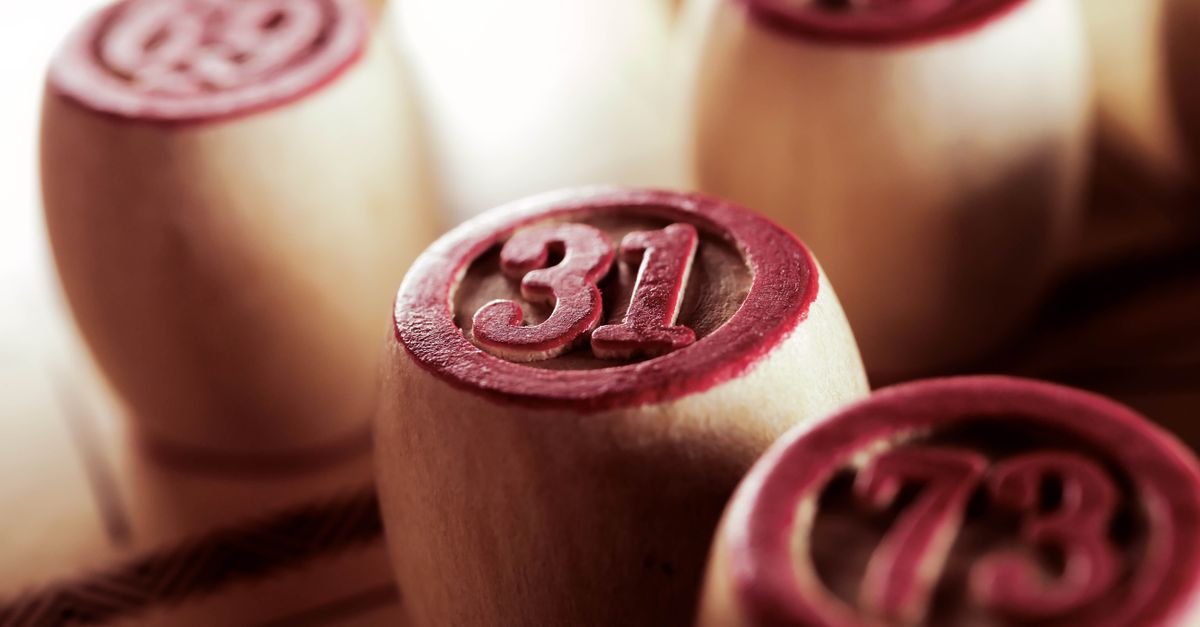
The Three Most-Cited Numbers in Chinese Culture
Sources discussing Chinese number customs consistently highlight 8, 9, and 4 as the three digits with the strongest cultural weight, and the difference between the three is more important than any ranking between them. 8 is described as carrying the connotation of prosperity or wealth because its Mandarin pronunciation can resemble words connected with becoming rich. 9 is described as carrying the connotation of longevity or something long-lasting because of a sound relationship with words such as jiǔ. 4 is described as a digit many people avoid because its pronunciation is close to that of the word for death.
The phrasing used in well-sourced overviews is deliberately cautious. The custom is described as an association rather than a property of the digit itself, and it is recognized that the strength of the association varies by language, region, and personal practice. The Chinese Lucky Numbers tool mirrors that caution: it labels the three digits using phrases such as "associated with" or "commonly avoided" rather than declaring any digit universally lucky or unlucky.
Why Sound, Not Math, Drives These Associations
None of these customs come from the digit's mathematical meaning. Eight is not a prime that unlocks wealth; nine is not a perfect square that guarantees a long life; four is not a number that causes harm. The associations are phonetic, and they depend on the Mandarin reading of the character for each digit. When 8 is read as bā, the sound can call to mind characters and compounds used in phrases about prosperity and growth. When 9 is read as jiǔ, the sound overlaps with words used to talk about duration, endurance, and the imperial association of nine as the highest single-digit number in classical Chinese numerology. When 4 is read as sì, the sound resembles sǐ, the word for death.
This phonetic basis is why the same customs do not translate automatically across languages. In Cantonese, for example, the readings of these digits are different, and the sound associations shift accordingly. In Japanese and Korean, related but distinct customs exist. Within mainland China, regional dialects produce different overlaps, and generational change has weakened the strength of the 4-avoidance custom in some urban settings. The tool is deliberately scoped to the three source-backed Mandarin associations and treats every other digit as neutral within that scope.
How to Check a Number String with the Chinese Lucky Numbers Tool
The tool is built for one specific task: telling you where 8, 9, and 4 appear in a string you already have. It does not assign meaning, it does not recommend a price, and it does not score your phone number against a benchmark. To use it correctly, follow these steps.
- Review the three source-bounded cultural associations displayed above the input field, and note the disclaimer that language, region, and personal practice vary.
- Enter up to 64 Unicode code points that contain at least one digit. Letters, spaces, dashes, slashes, and punctuation are allowed as long as at least one digit is present.
- Choose Analyze digits. The tool normalizes any fullwidth digits 0 through 9 to ordinary ASCII digits, retains digits only, and counts literal 8s, 9s, and 4s along with their 1-based positions in the retained sequence.
- Read the result cards. Each card shows its own count and the retained-sequence positions for that digit, while every other digit appears grouped as neutral or unclassified by the tool.
- Use Clear to remove the entered string and the result when you want to start over. The reset only affects the current tab; nothing is stored.
As a worked example, take the normalized digit sequence 8498. After the tool retains digits only, position 1 is the first 8, position 2 is the 4, position 3 is the 9, and position 4 is the second 8. The result for 8 therefore shows count 2 with positions 1 and 4, the result for 4 shows count 1 with position 2, and the result for 9 shows count 1 with position 3. The same logic applies no matter how many letters, dashes, or fullwidth digits surround those characters in the original input.
What the Analyzer Counts and What It Leaves Neutral
The tool's scope is narrow on purpose. It only classifies the three digits that the cultural sources cited in its reference cards treat as significant, and it groups every other digit as neutral. Neutral in this context does not mean a culture has no possible association for that digit; it means the deliberately small reference set behind this product has not classified it. The boundary prevents a partial reference table from being mistaken for a complete cultural authority.
| Digit | Mandarin reading | Common cultural association | How the tool reports it |
|---|---|---|---|
| 8 | bā | Prosperity or wealth through a sound resemblance | Count plus 1-based positions in the retained sequence |
| 9 | jiǔ | Longevity or something long-lasting through a sound resemblance | Count plus 1-based positions in the retained sequence |
| 4 | sì | Commonly avoided because sì can sound close to sǐ, the word for death | Count plus 1-based positions in the retained sequence |
| 0, 1, 2, 3, 5, 6, 7 | various | Not classified by this tool's reference set | Grouped as neutral or unclassified; not counted or positioned |
There is no combined luck score and no ranking across the three digits. A string with two 8s is not declared "better" than a string with one 8. The tool reports what is in the string and nothing more.
Where These Customs Show Up in Daily Life
Even readers who do not personally attach weight to number customs may notice them in everyday Chinese commercial and social life. Prices often end in 8 in shops that cater to gift-giving or major purchases, sometimes in combinations such as 168 or 888 where the sound pattern reinforces the prosperity association. Building floors and room numbers in many hotels and residential blocks skip the fourth floor in regions where the avoidance custom is strong, mirroring a Western skip from 13 in some buildings. Wedding and ceremony dates are sometimes selected to include 8s or 9s and to minimize 4s, particularly for older relatives who treat the customs as significant. Phone numbers, vehicle plates, and account identifiers are sometimes auctioned or resold at a premium when their digit profile is rich in 8s, a market practice documented in several regions.
None of those behaviors changes what the tool actually does. The tool counts digits and reports positions; it does not rank a phone number, price, address, or wedding date, and it does not advise a purchase or recommend paying a premium. Readers who want a broader look at how the same three digits are read inside a specific context can consult a focused guide such as Red Envelopes and Chinese Lucky Numbers: A Counting Guide for a single applied example.
Cautions About Treating Numbers as Outcomes
The most important thing to keep in mind is that these associations are customs, not causes. The Chinese Lucky Numbers tool is explicit about this: it does not predict wealth, health, safety, relationships, or lifespan from a digit profile, and it does not state that repeated 8s will change any of those things. The strength of the 8, 9, and 4 associations varies by dialect, region, generation, and the context in which a number appears. A business may choose to emphasize a different digit entirely, or may ignore the custom altogether. An individual may personally feel neutral about 4 while treating 8 as a positive presence in a wedding date. Treating the count of 8s or 9s in a string as a personal signal is a personal choice, not a measurement that the tool can make.
Practical limits of the tool itself matter as well. Input is capped at 64 Unicode code points, text without any digit produces an error rather than a fabricated interpretation, and the widget performs all normalization and counting in the current tab. There is no upload, no analytics request, no localStorage write, no sessionStorage write, and no account requirement, but readers should still avoid pasting sensitive identifiers because anyone who can see or control the device can view the current field. The tool neither needs nor validates a real phone number, address, card, or account number, which means a fake sample string works just as well as a real one for understanding what the analyzer will count.
For readers who want to see the same approach applied to a particular year of string choices, the 2026-focused counting guide offers a parallel example of how the retained-sequence logic behaves across a longer string. For a definition-first read on the three digits themselves, the source-bounded reference cards inside the Chinese Lucky Numbers page sit alongside the input field and explain the three associations in the cautious wording the underlying cultural sources actually use.
If you're weighing options, How to Use Daily Lucky Card Draw Correctly covers this in detail.