A zodiac modality chart returns the same cardinal, fixed, or mutable label for the same Western zodiac sign on every lookup because the chart is a fixed twelve-entry table rather than a live recalculation.
To repeat the same result when you calculate zodiac modality with a zodiac modality chart, you select the same sign, read the same triad of facts (modality, structural season position, and the full four-sign group), and confirm those facts against the visible twelve-sign matrix on the page. There is no date input, no time input, no location input, and no scoring formula involved, which is precisely why two consecutive lookups agree. This article walks through the inputs the tool accepts, the output it returns on each visit, the exact steps that make a repeat identical, the small slips that can make a new lookup look different at first glance, and the way to verify the table against published references like Astrodienst's quadruplicities entry and The Old Farmer's Almanac's cardinal/fixed/mutable chart.
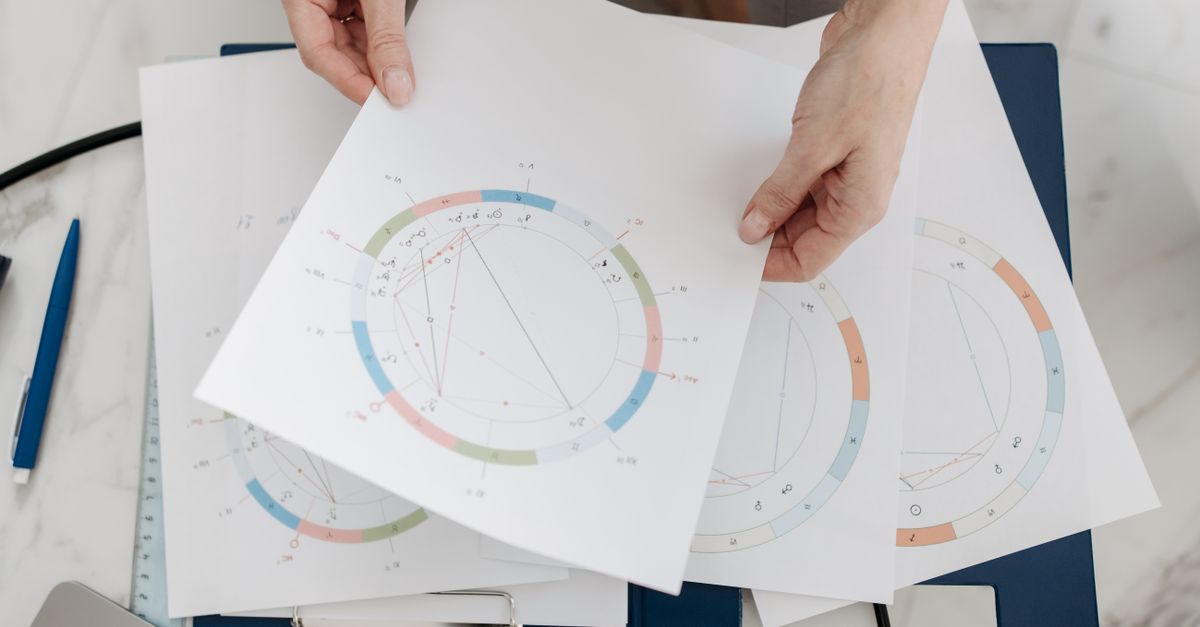
Why a Zodiac Modality Chart Is a Fixed Lookup, Not a Recalculation
The Zodiac Modality Calculator returns the same answer for the same sign on every visit because it is a direct sign-to-modality lookup, not a derived value. The mapping has twelve entries. Cardinal contains Aries, Cancer, Libra, and Capricorn. Fixed contains Taurus, Leo, Scorpio, and Aquarius. Mutable contains Gemini, Virgo, Sagittarius, and Pisces. Every sign belongs to exactly one modality, and each modality contains exactly four signs, so the chart is a closed static table with no floating cells.
Because the table is closed and static, nothing about a single user's repeat visit can perturb the result. The widget does not fetch external data, does not write a cookie, does not write to localStorage or sessionStorage, and does not call any third-party astrology service or remote model. The selected sign lives only inside the current component state of the page. As soon as you reload, navigate away, or hit Reset, the selection is cleared back to its default and the next lookup begins from the same clean slate.
This is the deepest reason repeat lookups agree: the tool does not perform a per-user calculation at all. It returns the row that already exists in its source table for the sign the user names. A repeat lookup with the same sign therefore returns the same row, with the same modality, the same structural season position, and the same four-sign group around the focal sign.
What the Tool Returns on Each Lookup
Three facts come back every time the user selects a sign, and those three facts are the entire output. There is no hidden personality score, no compatibility readout, no dominant-quality tally, and no chart synthesis. The three returned facts are:
- Modality label. Cardinal, Fixed, or Mutable. This is the only category the page places the selected sign into.
- Structural season position. Begin, middle, or end. Cardinal signs begin each four-sign seasonal sequence, fixed signs occupy the middle, and mutable signs conclude the sequence, using the conventional Northern Hemisphere framework cited by the source references.
- The full four-sign group. The selected sign plus the other three signs that share its modality, so a repeat lookup for Leo will always return Fixed together with Taurus, Scorpio, and Aquarius.
A visible reference matrix stays on the page below the result panel. The matrix keeps all twelve entries inspectable at once so a user does not have to take the result panel's word for it. The matrix uses the same source-published order as Astrodienst and Tarot.com, so the visible labels match the published tables row for row.
| Modality | Four Signs | Structural Season Position |
|---|---|---|
| Cardinal | Aries, Cancer, Libra, Capricorn | Begin |
| Fixed | Taurus, Leo, Scorpio, Aquarius | Middle |
| Mutable | Gemini, Virgo, Sagittarius, Pisces | End |
How to Repeat the Same Result From a Zodiac Modality Chart
The mechanical recipe for two identical lookups is short. The trick is staying disciplined about which sign you actually picked, and using the visible matrix as the cross-check rather than trusting memory.
- Open the Zodiac Modality Calculator in your browser. The page loads its twelve-row matrix and a Reset control on the first paint; nothing has been selected yet, and no prior selection is remembered.
- Pick the same Western zodiac sign you intend to classify. The tool does not infer a sign from a date or any other input, so choose one you already know from a horoscope, a printed ephemeris, or a chart you trust.
- Read the result panel. It states the sign's modality (Cardinal, Fixed, or Mutable), its structural season position (begin, middle, or end), and the four-sign group it belongs to. Write down exactly what you see if you want a paper trail.
- Cross-check the result panel against the on-page twelve-sign matrix. The matrix should place the same sign in the same column as the result panel, and the same sign should appear in the same group of four.
- If you want to repeat the lookup for a second person or a second sign, hit Reset to clear the current selection, then pick the next sign and re-read the panel. Reset does not save the prior selection, so you start the next lookup from the same clean state as the first.
Following these five steps once gives you a baseline. Following them again with the same sign selection gives you the same baseline, because the underlying table has not changed between the two visits.
Reasons a Repeat Lookup Can Look Different at First Glance
Even though the table is static, four small slips can make a second visit feel like the result changed. None of them are bugs in the tool. They are all user-side habits that hide the agreement between the two lookups.
Picking a different sign without noticing. The selector lists twelve entries, and a quick click on the wrong row selects a different sign with a different modality. Always confirm the selected sign matches the one you meant to classify before reading the result panel.
Reading the on-page twelve-sign matrix as a row-by-row list rather than a group check. The matrix is intentionally inspectable, so a user can misread its organization. The matrix shows three groups of four, not twelve unrelated rows. Locating the selected sign inside its column rather than skimming down a flat list keeps the four-sign group visible and prevents a mistaken cross-group comparison.
Conflating the structural season position with the calendar season. Begin, middle, and end describe the sign's place in the conventional four-sign seasonal sequence, not the calendar months the sign spans. Two consecutive visits agree on the season-position label, even though the user may be thinking of January versus March on the second visit.
Trusting memory instead of the result panel. People sometimes remember a previous lookup and assume the second visit will differ. The visible result panel is the source of truth on every visit. Reading it as text is faster than reconstructing the row from memory and prevents drift between recall and the table.
Verifying the Output Against the Published Twelve-Sign Table
The cleanest guarantee that a repeat lookup matches an earlier one is to compare the on-screen output to the published reference table. Astrodienst's quadruplicities entry lists the cardinal group as Aries, Cancer, Libra, and Capricorn; the fixed group as Taurus, Leo, Scorpio, and Aquarius; and the mutable group as Gemini, Virgo, Sagittarius, and Pisces. The Old Farmer's Almanac independently publishes the same three groups with the same four members, plus the same begin/middle/end season position labels.
Because the tool's internal table uses these same twelve entries in the same published order, two consecutive lookups return output that agrees not only with each other but also with these two independent references. If you ever suspect the tool's output has drifted, a direct side-by-side check of the result panel against either reference page will resolve the question quickly.
Where a Modality Lookup Ends and a Birth Chart Begins
The repeatability of this lookup comes precisely from how narrow its scope is. It classifies one sign you already know. It does not decide which sign a birthday falls into, does not score a complete birth chart, identify a dominant modality across many placements, or compare two people. Those broader tasks require astronomical inputs (birth date, time, location) and rules that lie outside a single static table.
If you need a full chart, the modality calculator's result is one row of a much larger matrix, useful as a labeled input to a broader reading rather than a substitute for one. For a sign-by-sign modality table on demand, the same Zodiac Modality Calculator page reproduces its twelve-row matrix on every visit. To explore the boundary in more detail, the guide When a Zodiac Modality Chart Is a Lookup, Not a Calculation walks through why the deterministic table is a different kind of task from a date-driven chart calculation.
In short, repeating the same zodiac modality result is not a matter of luck or hidden caching. It is a property of any fixed table: the same input row maps to the same output row every time. Pick the same sign, read the same three facts, cross-check against the visible matrix, and the second visit will agree with the first.