A wrong-looking zodiac modality result almost always traces back to one of three sources: an unfamiliar assignment of a specific sign to a group, a confusion between modality and element, or a misreading of the seasonal position within the four-sign group. Western astrology places every Western zodiac sign into exactly one of three modality groups called cardinal, fixed, and mutable, with each group holding exactly four signs, so any disagreement between a chart's label and the published tables can be checked by reading the 12-sign matrix directly. The Zodiac Modality Calculator is built to do exactly that cross-check: select the sign you already know, read its modality label, seasonal position, and full four-sign group, then compare against the visible reference matrix displayed on the same page. A "wrong" result is therefore not a hidden bug in the calculation; it is a label you can re-verify against the same twelve-entry table the calculator uses internally.
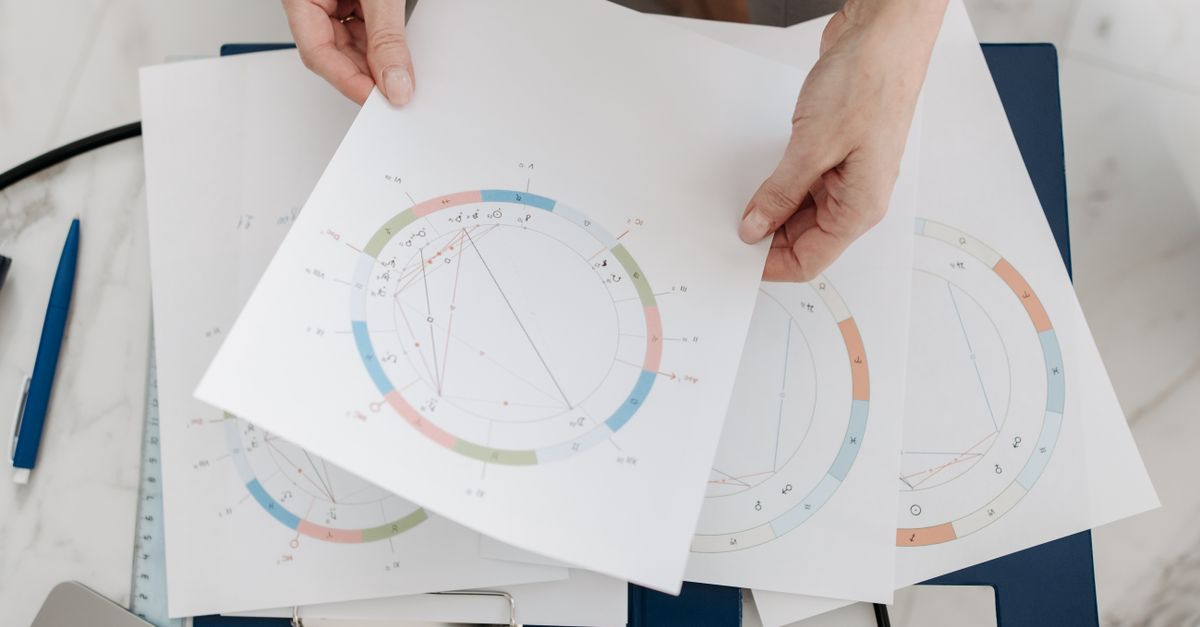
Why a Modality Result Looks Wrong After You Read a Chart
Most wrong-looking modality results come from how the table is read, not from a calculation error inside the chart itself. The first reason is sign-to-group confusion: a reader may remember a sign by a behavior that is associated with its modality (Taurus and "stubbornness," for example) and then see the same sign grouped under a different modality on a chart that uses a different ordering, and assume the chart is wrong. The second reason is the modality-versus-element mix-up. Modality is cardinal, fixed, or mutable; element is fire, earth, air, or water. Both systems group signs into threes or fours, and charts that put them on the same axis can be misread if the row or column labels are skipped. The third reason is seasonal position. Each modality also carries a structural position: cardinal sits at the beginning of the seasonal sign sequence, fixed in the middle, mutable at the end. A chart that labels those positions "begin, middle, end" can read as unfamiliar even when the sign-to-modality mapping is correct.
A fourth, less obvious reason is that the sign you started from may not be the sign you actually mean. Western astrology distinguishes sun, Moon, rising, Mercury, Venus, Mars, Jupiter, Saturn, and other placements, each with its own sign. If the chart you consulted was for a different placement than the one you intended, the modality returned will be the modality of a different sign, and the result will look wrong only because the sign was wrong upstream.
A fifth reason is the date itself. Some modality charts on the web assume a sun-sign date range, so a Moon or rising lookup gets mismatched against the wrong row of the table. The fix in that case is upstream of modality: identify the correct sign first, then look up its modality against the 12-sign matrix.
A sixth reason is the cultural caveat that the sources themselves state. Astrodienst, The Old Farmer's Almanac, and Tarot.com all treat modality as a structural category, not a scientific measure of behavior, adaptability, leadership, or personal worth. If your "wrong" feeling comes from expecting the modality label to predict something specific, that expectation is outside the table's scope.
How to Fix the Result Using the Zodiac Modality Calculator
The fastest way to confirm or correct a modality result is to verify it against a visible 12-sign matrix that runs alongside the lookup. The Zodiac Modality Calculator is designed as a direct lookup plus a full reference table, which makes it usable as a verification tool rather than just a classifier. To fix a result that looks wrong, follow these steps.
- Identify the sign you actually meant to look up. Do not start from a date in this tool; start from a sign name you trust, whether it came from a sun-sign list, an ephemeris, a birth chart, or a placement calculator elsewhere on the site.
- Open the Zodiac Modality Calculator and choose that sign directly from the selection control. The tool does not compute a sign from a date, so whatever sign you select is the sign that gets classified.
- Read the result the page returns. It will show the modality (Cardinal, Fixed, or Mutable), the structural seasonal position (beginning, middle, or end), and the complete four-sign group that the selected sign belongs to.
- Compare the four-sign group on the page to the four-sign group you saw on the chart that looked wrong. If the two lists match, the original chart was correct and the appearance of "wrongness" was a misread. If the two lists differ, the original chart is the source of the disagreement.
- Use the on-page 12-sign reference matrix as a second check. The matrix lists all twelve signs with their modality labels, so you can read across any row and confirm the classification without depending on a single output label.
- Press Reset if you want to start over or try a different sign. Reset clears the selection without saving it, so you can iterate without leaving residual state in the page or the browser.
Because the lookup runs locally in the browser and the selection is not transmitted anywhere, you can also use the tool to test alternative signs side by side as part of the fix. The verification value of the matrix does not depend on network access or stored account data; it depends only on whether you can read the same twelve entries the calculator reads.
The Visible 12-Sign Modality Matrix
The table below is the same twelve-entry mapping the calculator uses internally. Use it as the ground truth for the fix, and as a comparison point when the chart you originally consulted disagrees with the calculator's output.
| Modality | Seasonal Position | Signs in Group |
|---|---|---|
| Cardinal | Beginning | Aries, Cancer, Libra, Capricorn |
| Fixed | Middle | Taurus, Leo, Scorpio, Aquarius |
| Mutable | End | Gemini, Virgo, Sagittarius, Pisces |
Three rules follow from the table: every sign belongs to exactly one modality, each modality holds exactly four signs, and the three groups together cover all twelve Western zodiac signs with no overlap. Any result that places a sign in two groups, leaves a group with five or three members, or omits a sign entirely is not consistent with this matrix and should be treated as the source chart's error rather than yours. The seasonal position column is included because the calculator exposes the same structural labels (beginning, middle, end) and because those labels are the third axis on which modality results are commonly misread.
What the Calculator Cannot Help You Fix
The tool is a direct lookup plus a reference table, not a calculator that takes a date. It therefore cannot help you fix problems that originate upstream of the sign name. If your original chart gave you the wrong sign in the first place, the modality result that follows will look wrong even though the modality calculation itself is correct. For Sun-sign date-range mistakes, or for any placement that requires a birth date, time, and place, the modality lookup is not the right step; fix the sign first, then return to the modality matrix.
The tool also does not score a dominant modality across multiple placements, rank the three modalities against each other, compare two people's modality profiles, or expand the label into guaranteed personality traits. The wording "Cardinal," "Fixed," or "Mutable" is treated as a neutral structural classification, with the seasonal position labels kept as begin, middle, and end rather than as behavioral promises. If your "wrong" feeling came from expecting the modality label to predict a specific behavior, the fix is to read the label as a category, not a forecast. The page avoids statements that any sign must lead, resist change, or adapt simply because of its table position, and that limit applies to the fix as well: the matrix tells you what category a sign sits in, not what someone with that sign does.
Confirming the Result Against Authoritative Sources
When the chart you started with and the calculator disagree, the disagreement is usually resolved by checking a third published reference. Two independent sources publish the same three groups and seasonal positions. Astrodienst's Astrowiki entry on quadruplicities lists the cardinal group as Aries, Cancer, Libra, and Capricorn; the fixed group as Taurus, Leo, Scorpio, and Aquarius; and the mutable group as Gemini, Virgo, Sagittarius, and Pisces. The Astrodienst quadruplicities page is one of the standard references for Western modality classifications. The Old Farmer's Almanac independently publishes the same three groups and seasonal positions, available at their cardinal, fixed, and mutable signs page. If both external sources and the on-page matrix agree, the modality classification is fixed at the table level; any "wrong" feeling that remains is a reading problem, not a data problem.
For a guided walkthrough that complements this fix, the Lizely guide on avoiding mistakes when you read a zodiac modality chart expands on the misreading patterns covered here, including the modality-versus-element overlap and the seasonal position labels that often get read as personality claims. Together with the calculator's visible matrix, the two external references give you three independent sources to compare against, which is the practical definition of fixing a result that looks wrong: not changing the answer, but verifying the answer against the same table the answer came from.
For a deeper look, see Chinese Zodiac Compatibility for Snake: A Two-Rule Read.