To use birth flower by month correctly, choose the right source, select your January-through-December birth month, and report only the primary and secondary flowers listed in that source.
Birth-flower assignments are cultural and editorial traditions, not a scientific or legal standard. Farmers' Almanac explains that climate, region, florists, and traditions have not produced one universal pairing. For a clear, reproducible answer, this guide follows the primary and secondary columns in the explicitly named Farmers' Almanac 2026 chart. The Birth Flower by Month lookup follows that same scope and makes the full table and documented source differences visible. The safest method is source-first: define the chart, choose the month, and then read both labeled columns.
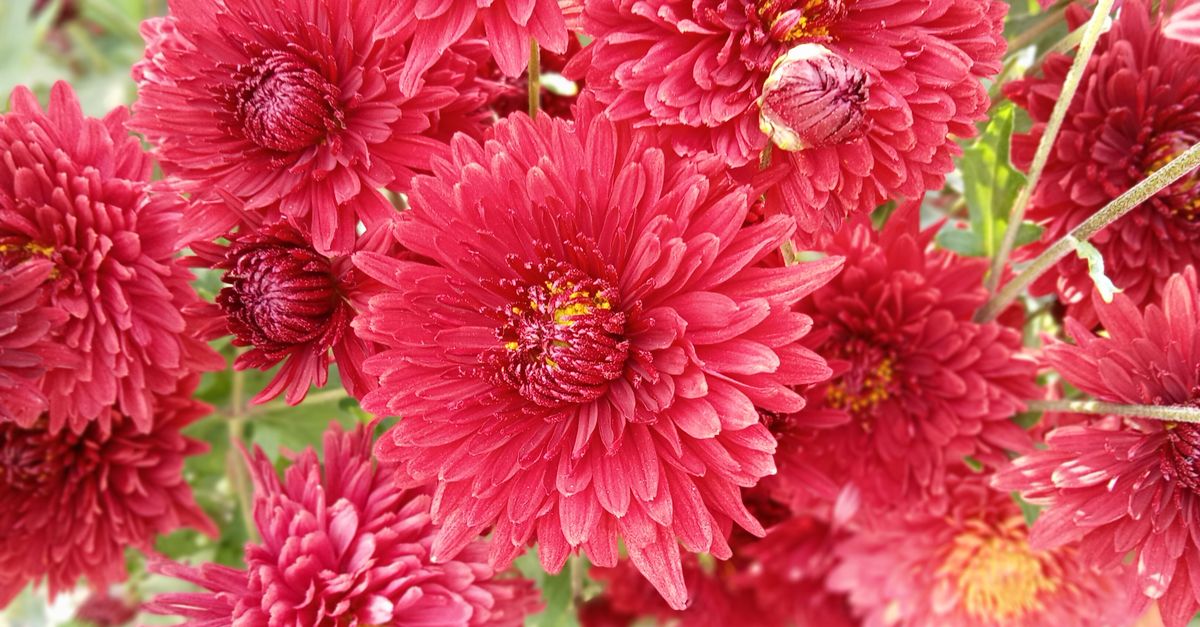
Choose the Reference System First
Start by deciding which kind of answer you need. The supported lookup answers one precise question: what does the selected Farmers' Almanac 2026 chart list for a given calendar month? It does not attempt to combine every flower found in every florist guide, regional tradition, or commercial birthday list. That restraint is what makes the result checkable.
- Name the source. Write “Farmers' Almanac 2026 chart” next to the flower pair so the reader knows which convention you used.
- Name the month. Use the calendar month from January through December; a full birth date is not needed for this lookup.
- Name both fields. Record the primary and secondary flowers exactly as the selected chart displays them.
- Name the scope. When another published list differs, say that the answer reflects the selected chart rather than a universal rule.
These four labels prevent a sourced reference from becoming an unsupported claim. Primary and secondary identify the two columns in the Farmers' Almanac chart only. They do not indicate a scientific hierarchy, and they do not make either flower a proven personality or compatibility trait.
A different result from a florist, retailer, regional guide, or another website is not automatically an error. It may represent another cultural or editorial tradition. The important distinction is whether the source is named rather than whether every list has been forced into one supposedly universal answer.
Find the Entry for Your Calendar Month
- Open the lookup. Use the Birth Flower by Month tool and locate its January-through-December month selector.
- Choose the relevant month. Select the calendar month in which the birthday falls. After selection, the corresponding row is highlighted while the other 11 rows remain visible.
- Read the primary flower first, then the secondary flower. Use the highlighted row and keep the chart's wording rather than substituting a familiar flower from memory.
- Cross-check the complete table. Confirm that the highlighted month, flower names, and column order agree with the corresponding row in the full 12-month table.
- Read the source note and disclosed comparison information. Pay particular attention to November, where the selected chart has a secondary flower that two comparison guides omit, and to March, where LEGO offers an additional option.
- Write a source-attributed result. Include the month, both flowers, and the named chart so another person can reproduce the lookup.
Completing the lookup does not require moving through the chart one cell at a time. Because the full table stays visible below the selected result, you can compare family members or check adjacent months without repeatedly changing the selector.
Read the Farmers' Almanac 2026 Flower Pairs
The table below reproduces the selected source, the Farmers' Almanac 2026 birth flower chart, without adding symbolic meanings or personal interpretations. The month order runs from January through December, and the flower columns follow the chart's primary and secondary order.
| Month | Primary flower | Secondary flower |
|---|---|---|
| January | Carnation | Snowdrop |
| February | Violet | Primrose |
| March | Daffodil | Jonquil |
| April | Daisy | Sweet Pea |
| May | Lily of the Valley | Hawthorn |
| June | Rose | Honeysuckle |
| July | Larkspur | Water Lily |
| August | Gladiolus | Poppy |
| September | Aster | Morning Glory |
| October | Marigold | Cosmos |
| November | Chrysanthemum | Peony |
| December | Narcissus (Paperwhite) | Holly |
Two details deserve special attention when transcribing the chart. December's first flower is identified specifically as Narcissus (Paperwhite), rather than an unspecified narcissus. For November, the selected Farmers' Almanac chart pairs Chrysanthemum with Peony. These are fixed reference entries, not outputs generated from a formula or undisclosed preference.
If you are creating a printed table or digital checklist, preserve the month order and column labels. Alphabetizing the flowers, combining multiple secondary choices, or silently replacing a disputed entry would make your version harder to compare with the selected source.
Account for the November and March Variations
The absence of a universal list is not a defect to conceal; it is part of using the chart correctly. The Old Farmer's Almanac birth flower pages broadly agree with the selected chart, but list only Chrysanthemum for November. LEGO's published guide also lists only Chrysanthemum for November and adds Cherry Blossoms as a March option. The tool exposes these differences instead of silently merging them.
| Published source | Documented scope | Difference to preserve |
|---|---|---|
| Farmers' Almanac 2026 | Uses primary and secondary columns for January through December. | This is the selected chart used by the lookup. |
| The Old Farmer's Almanac | Its month pages broadly agree with the selected chart. | Lists only Chrysanthemum for November, without Peony in that pairing. |
| LEGO | Provides a published birth-month flower guide. | Lists only Chrysanthemum for November and adds Cherry Blossoms as a March option. |
November is therefore the clearest case to flag: Peony is the secondary flower in the selected Farmers' Almanac 2026 chart, not a flower that every published list agrees should accompany Chrysanthemum. March has a different kind of variation because LEGO includes Cherry Blossoms as an option in addition to the selected chart's Daffodil and Jonquil. For a wider side-by-side explanation of the documented differences, see the source-by-source birth flower comparison.
Label the Pair in Cards, Bouquets, and Charts
Once the entry and source are correct, match the way you present it to the way you will use it. The lookup is useful for quick calendar references, card text, bouquet ideas, classroom charts, and comparisons of published traditions. It is most helpful when the surrounding project names the chart or makes the source note easy to find.
- For a card, include both flowers and identify the source; do not imply that the pairing determines personality.
- For a bouquet idea, treat the chart as a starting point for the intended birthday month, not as a claim about florist availability or plant suitability.
- For a classroom or family calendar, retain the source note so students or relatives can distinguish the selected chart from other traditions.
- For a comparison project, label every chart by source and record the November and March differences rather than creating a merged universal list.
The lookup deliberately excludes flower meanings, personality claims, compatibility statements, predictions, luck claims, and personal decision advice. It is also not a planting recommendation. Climate zones, pet toxicity, allergies, and growing instructions need separate local guidance.
All processing happens locally in the browser. Selecting a month creates no network request, does not write to localStorage, and does not save a profile. The selection is only temporary page state, so there is no need to reload or reset the page to use the tool; copy or record the pair and source if you need to keep it.
Use a Complete Source-Bounded Answer
A correct answer is easiest to audit when it follows one repeatable format: month plus primary flower plus secondary flower plus named source. For example, a November entry can say, “According to the Farmers' Almanac 2026 chart, November's primary birth flower is Chrysanthemum and its secondary birth flower is Peony.” If the project compares published lists, add that The Old Farmer's Almanac and LEGO list only Chrysanthemum for November.
This wording preserves the chart's two columns, makes the answer reproducible, and shows why another guide may give a different result. It also keeps a calendar tradition from being presented as a scientific fact, a prediction, or a rule for choosing flowers.
Related reading: Eight Birth Moon Phases Explained: A Clear Breakdown.