A baby's eye color is determined by the combination of genes inherited from both parents, with brown being the most dominant trait and blue or green resulting from recessive gene pairings. While genetics can be complex, a Baby Eye Color Calculator simplifies the process by instantly predicting the probability of your baby having brown, green, or blue eyes based on your and your partner's eye colors. This tool eliminates the need for manual genetic calculations or understanding intricate inheritance patterns, providing clear odds in seconds.
Expecting parents often wonder about their baby's future appearance, and eye color is one of the most noticeable traits. Unlike hair color, which can change over time, eye color typically stabilizes by six to nine months of age. While no prediction is 100% accurate due to the complexity of genetics, understanding the likelihood of different eye colors can be both fun and informative. For example, two blue-eyed parents are highly likely to have a blue-eyed child, while two brown-eyed parents could still have a child with blue or green eyes if they carry recessive genes. The calculator accounts for these probabilities, giving you a realistic expectation without requiring a degree in genetics.
Genetics play a fascinating role in determining eye color. The color of your eyes is influenced by multiple genes, but the primary gene responsible is OCA2, which regulates melanin production. More melanin results in darker eyes (brown), while less melanin leads to lighter eyes (blue or green). Other genes, like HERC2, can modify this effect. For instance, a child might inherit a gene for blue eyes from one parent and a gene for brown eyes from the other, but the brown gene typically dominates. This is why two brown-eyed parents can sometimes have a blue-eyed child if both carry recessive blue-eye genes. The calculator simplifies these genetic interactions into a user-friendly interface.
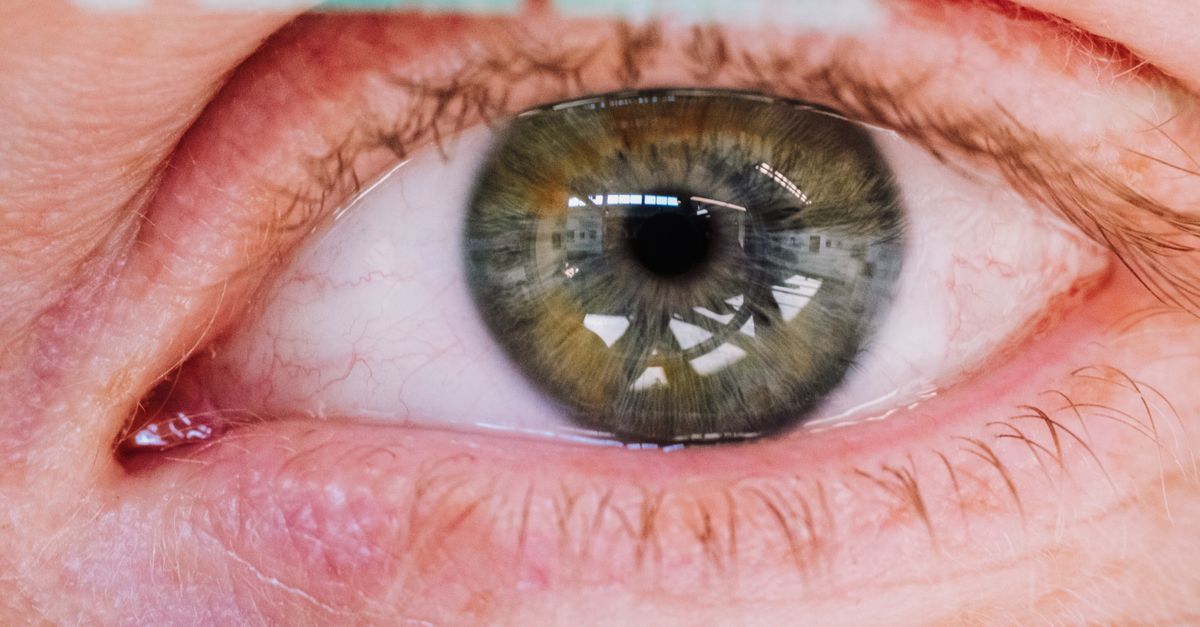
How Eye Color Inheritance Works
Eye color inheritance follows basic genetic principles, where dominant and recessive genes interact to produce the final trait. Here’s a simplified breakdown of how it works:
| Parent 1 Eye Color | Parent 2 Eye Color | Possible Baby Eye Colors (Probability) |
|---|---|---|
| Brown | Brown | Brown (75%), Green (19%), Blue (6%) |
| Brown | Green | Brown (50%), Green (37%), Blue (13%) |
| Brown | Blue | Brown (50%), Green (0%), Blue (50%) |
| Green | Green | Green (75%), Blue (25%) |
| Green | Blue | Green (50%), Blue (50%) |
| Blue | Blue | Blue (99%) |
The table above shows general probabilities, but individual results can vary. For example, two brown-eyed parents might both carry recessive genes for blue or green eyes, increasing the chances of their child having lighter eyes. This is where the Baby Eye Color Calculator becomes particularly useful—it accounts for these nuances without requiring you to manually calculate probabilities.
How to Use the Baby Eye Color Calculator
Using the Baby Eye Color Calculator is straightforward and takes just a few seconds. Follow these steps to predict your baby's eye color odds:
- Visit the Baby Eye Color Calculator page on our website.
- Select the father's eye color from the dropdown menu. Options include brown, green, or blue.
- Select the mother's eye color from the same three options.
- The calculator will instantly display the predicted probabilities for your baby's eye color, broken down into percentages for brown, green, and blue.
- Review the results to understand the likelihood of each eye color based on your inputs.
The calculator provides a clear breakdown of probabilities, so you don’t need to interpret complex genetic data. For example, if you and your partner both have brown eyes but carry recessive genes for blue eyes, the calculator might show a 6% chance of your baby having blue eyes. This instant feedback makes it easy to explore different scenarios without any guesswork.
Why Predicting Eye Color Matters
While predicting your baby's eye color is often seen as a fun exercise, it also has practical and emotional significance for many parents. Here’s why understanding these probabilities can be valuable:
- Setting Expectations: Knowing the likelihood of different eye colors helps parents prepare emotionally and mentally for their baby's appearance. For example, if both parents have brown eyes but carry recessive genes, they might be pleasantly surprised if their baby has blue eyes.
- Family Planning: Some parents are curious about how their genetic traits might be passed down to future generations. Understanding eye color inheritance can provide insights into family genetics and how traits might appear in siblings or future children.
- Medical Insights: While rare, certain eye colors can be associated with genetic conditions. For instance, very light blue eyes in some populations may be linked to a higher risk of ocular albinism. While the calculator is not a diagnostic tool, it can prompt parents to discuss genetic testing or consult a healthcare provider if they have concerns.
- Cultural and Personal Significance: In some cultures, eye color holds symbolic meaning or is tied to family traditions. For example, parents might have personal preferences or family stories related to eye color, making the prediction a meaningful part of their journey.
It’s important to remember that the calculator provides probabilities, not certainties. Genetics can be unpredictable, and other factors, such as mutations or rare gene combinations, can influence the outcome. However, the tool offers a scientifically grounded estimate that aligns with general genetic principles.
Common Misconceptions About Eye Color
Many myths and misconceptions surround eye color inheritance. Here are a few of the most common ones, along with the facts:
| Misconception | Reality |
|---|---|
| Two blue-eyed parents can only have a blue-eyed child. | While rare, two blue-eyed parents can have a child with green or even brown eyes if they carry recessive genes for darker eye colors. However, the probability is very low. |
| Eye color is determined by a single gene. | Eye color is influenced by multiple genes, with OCA2 and HERC2 being the most significant. Other genes can modify the final color, making predictions more complex. |
| A baby's eye color at birth is permanent. | Many babies are born with blue or gray eyes that darken over the first six to nine months as melanin production increases. This is why eye color predictions are most accurate after this period. |
| Brown eyes are always dominant over blue. | While brown is generally dominant, the interaction between multiple genes can sometimes result in unexpected outcomes, such as two brown-eyed parents having a blue-eyed child. |
| Eye color can change dramatically in adulthood. | Eye color is usually stable after infancy, though minor changes can occur due to lighting, clothing, or certain medical conditions. Significant changes are rare and may warrant a medical evaluation. |
Understanding these misconceptions can help parents set realistic expectations and avoid unnecessary worry. The Baby Eye Color Calculator provides a grounded, science-based prediction that accounts for these complexities.
Other Tools to Explore Your Baby's Future
If you're curious about other aspects of your baby's development or future traits, our website offers a variety of tools to explore. For example, the Pregnancy Due Date Calculator helps you estimate your baby's arrival date based on your last menstrual period. Similarly, the Ovulation Calculator can help you track your fertile window if you're planning for another child.
For parents interested in genetics beyond eye color, the Age Calculator can help you determine your baby's exact age in years, months, and days as they grow. If you're also curious about how your baby's age compares to a pet's, the Dog Age Calculator or Cat Age Calculator can provide fun insights into their development in "human years."
These tools are designed to be user-friendly and accessible, providing instant results without requiring complex calculations or genetic expertise. Whether you're planning for your baby's arrival or simply satisfying your curiosity, they offer a convenient way to explore the future.
See also: How to Calculate Age Between Two Dates in Excel – Instant Online Tool.
If you're weighing options, Find a Circle's Area Fast with the Free A = πr² Calculator covers this in detail.
If you're weighing options, How to Determine Baby Eye Color with a Free Online Calculator covers this in detail.