The most common way to predict a baby's eye color is to combine the eye colors of both parents and read the resulting brown, green, and blue probability percentages from a genetics-based chart. Eye color is set by the amount of melanin packed into the iris, which is itself controlled by at least 16 interacting genes rather than a single inherited switch. Brown behaves as a dominant trait, blue as recessive, and green falls between the two, which is why two blue-eyed parents almost always produce blue-eyed children while two brown-eyed parents have a strong but not absolute chance of a brown-eyed baby. A baby eye color calculator uses published eye color genetics charts to translate two parent eye colors into a set of percentages that add up to 100%, giving you a quick educational estimate of the odds before your child arrives. The numbers are useful for casual curiosity, baby shower games, or simply understanding how traits pass through families, but they are not a medical prediction or a guarantee.
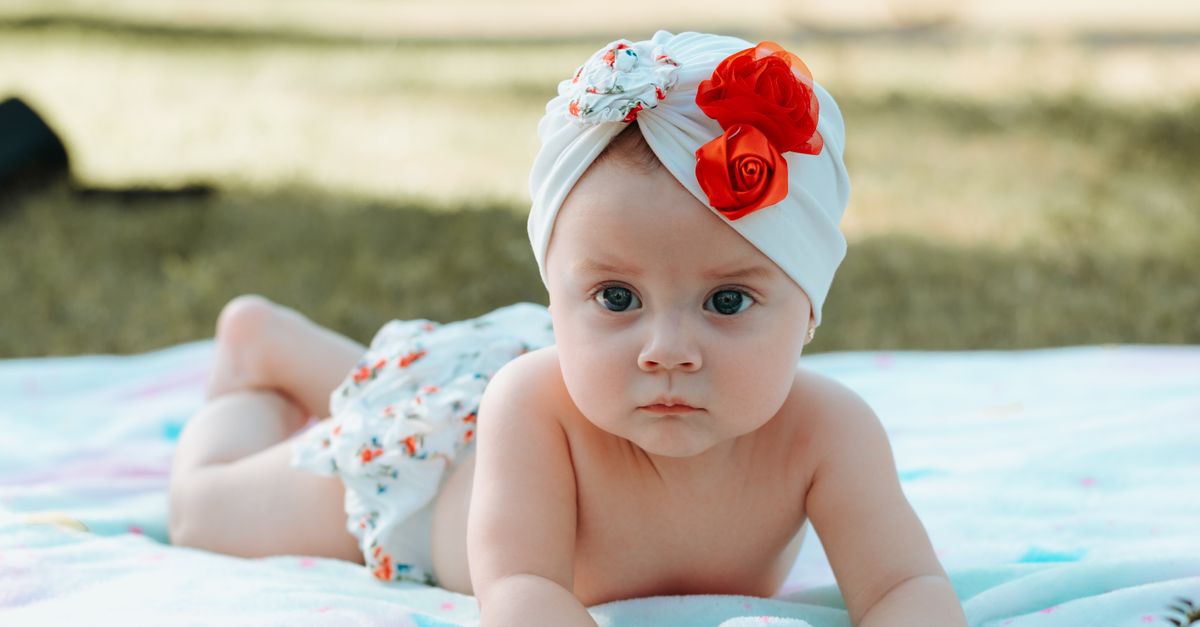
Understanding the Genetics Behind Baby Eye Color
Eye color is shaped by melanin, the same pigment that colors skin and hair, packed into a thin layer at the front of the iris. The more melanin a baby ends up with, the darker the eyes appear; a moderate amount tends to look green or hazel, and very little produces blue. That simple relationship is why brown-eyed parents usually have brown-eyed children and why blue seems to vanish from a family for a generation before reappearing.
The genetics behind that visible result are more complicated than the high-school version suggests. Eye color is a polygenic trait, meaning it is influenced by at least 16 different genes working together rather than one switch. Two of those genes, OCA2 and HERC2, sit close together on chromosome 15 and do most of the heavy lifting in determining whether the iris produces a lot or a little melanin. The remaining genes modify the effect, which is why the same brown-eyed parent can have one child with nearly black eyes and another with hazel.
In the simplified model that most eye color charts use, brown is treated as a dominant trait, blue as recessive, and green as somewhere in between. A child only needs one brown allele to usually end up with brown eyes, but needs two blue alleles to show blue. Green requires a particular blend that lets a moderate amount of pigment through. This shortcut explains broad family patterns but is not the full picture, which is why surprises happen even when the chart seems clear.
How Parent Combinations Shape the Odds
Different parent eye color pairings produce noticeably different odds. The table below summarizes the direction and rough magnitude of each combination; the calculator gives you the exact percentages for your specific situation.
| Parent combination | Typical outcome direction |
|---|---|
| Brown + Brown | Strongly brown, with room for green and a smaller chance of blue |
| Brown + Green | Usually brown or green, smaller chance of blue |
| Brown + Blue | Roughly even split between brown and blue |
| Green + Green | Favors green, with some blue |
| Green + Blue | Splits between green and blue |
| Blue + Blue | Almost always blue |
A useful concrete example is two brown-eyed parents. Standard genetics charts put the chance of a brown-eyed baby around 75%, with green close to 18.75% and blue around 6.25%. Those three numbers add up to 100% and cover the full range of possibilities for that pairing. Parents who want their own breakdown can plug both colors into the Baby Eye Color Calculator to read the percentages for their specific combination.
The reason two brown-eyed parents can still have a blue-eyed baby is hidden recessive variants. Both parents can carry a single blue allele that never shows in their own eyes because the brown allele masks it. If both happen to pass that hidden blue copy to the same child, the baby ends up with two blue alleles and blue eyes. The same logic explains how green or hazel can pop up unexpectedly when neither parent has green eyes: the variants were there all along, just hidden under a dominant brown.
How to Predict Baby Eye Color in 3 Steps
The fastest way to estimate your baby's eye color is to use a calculator that reads from published genetics charts.
- Open the Baby Eye Color Calculator and pick the father's eye color from the three options: brown, green, or blue.
- Select the mother's eye color from the same brown, green, or blue choices.
- Read the predicted probability of brown, green, and blue eyes for your baby. The three percentages will add up to 100% and represent the full range of likely outcomes for that pairing.
You can change either parent's selection to see how the odds shift with different combinations. This makes it easy to answer questions like what would happen if a partner's eyes were a different color without doing any of the genetics math yourself.
What the Calculator Cannot Tell You
Eye color charts are an educational estimate, not a genetic test. The calculator uses simplified combinations and cannot read the specific variants each parent actually carries, so the same brown-eyed parent pair can produce different real-world outcomes depending on the alleles hidden in their DNA. It also does not include rarer colors like hazel, amber, and gray, which fall outside the three-color chart and come from additional genetic variation. Grandparents are not part of the calculation either, even though their eye colors can offer useful clues about hidden recessive alleles that might skip a generation.
For families curious about other early baby predictions, the Chinese Gender Predictor is a popular companion tool based on a different tradition. It does not share the same genetics basis, but it is a common choice for parents who enjoy exploring every available hint before the big day.
It is also important to remember that the calculator only models the broad pattern; it cannot guarantee a single outcome. Even with a near-certain blue prediction, the rare exception is still possible. Treat the numbers as a fun way to think about possibilities rather than a forecast, and revisit them as your baby grows.
When a Baby's Eye Color Becomes Permanent
Many newborns enter the world with eyes that are not their final color. Melanin production in the iris ramps up gradually after birth, so a baby born with bluish-gray eyes can darken to hazel, green, or brown over the following months. The shift happens because the cells responsible for pigment are still maturing and laying down more melanin than they did in the womb.
The color usually settles between 6 and 12 months of age, though small changes can sometimes continue a little longer. Until that point, any prediction is a guess about a trait that is still in motion.
This is why most pediatricians and parenting sources recommend waiting until close to the first birthday before declaring a baby's true eye color. If the calculator gives you a percentage for one color and your newborn's eyes still look different, that does not mean the prediction is wrong. It means the final pigment has not arrived yet, and the odds may shift once melanin catches up.
If you're weighing options, Chinese Gender Predictor Alternative for Fun Baby Guesses covers this in detail.
If you're weighing options, How a Baby Eye Color Calculator Maps Parents' Eyes to Odds covers this in detail.