Body fat percentage tells you how much of your total body weight is fat, not just muscle, bone, or water. A simple tape measure and the Body Fat Calculator can estimate it in seconds—no calipers, scales, or gym visit needed. This method uses your neck, waist (and hip if female), and height to give you a quick, private snapshot of your body composition. It’s ideal for tracking fitness progress, setting weight-loss goals, or just satisfying curiosity without leaving home.
Many people rely on bathroom scales or BMI alone, but these don’t distinguish between fat and muscle. A bodybuilder and a sedentary person might weigh the same, but their body fat percentages can differ dramatically. Knowing your body fat percentage helps you set realistic goals, whether you’re aiming to lose fat, build muscle, or maintain a healthy balance. The Body Fat Calculator uses a proven formula to turn your tape-measure numbers into an estimate you can trust. It’s fast, free, and works for anyone, regardless of fitness level.
If you’ve ever wondered whether your weight is healthy or just want a clearer picture of your body composition, this method is a great starting point. Unlike caliper tests or underwater weighing, it doesn’t require special equipment or a professional. You can do it in your living room, and the results update instantly as you enter your measurements. For best accuracy, re-measure every few weeks and average the results to smooth out small day-to-day fluctuations.
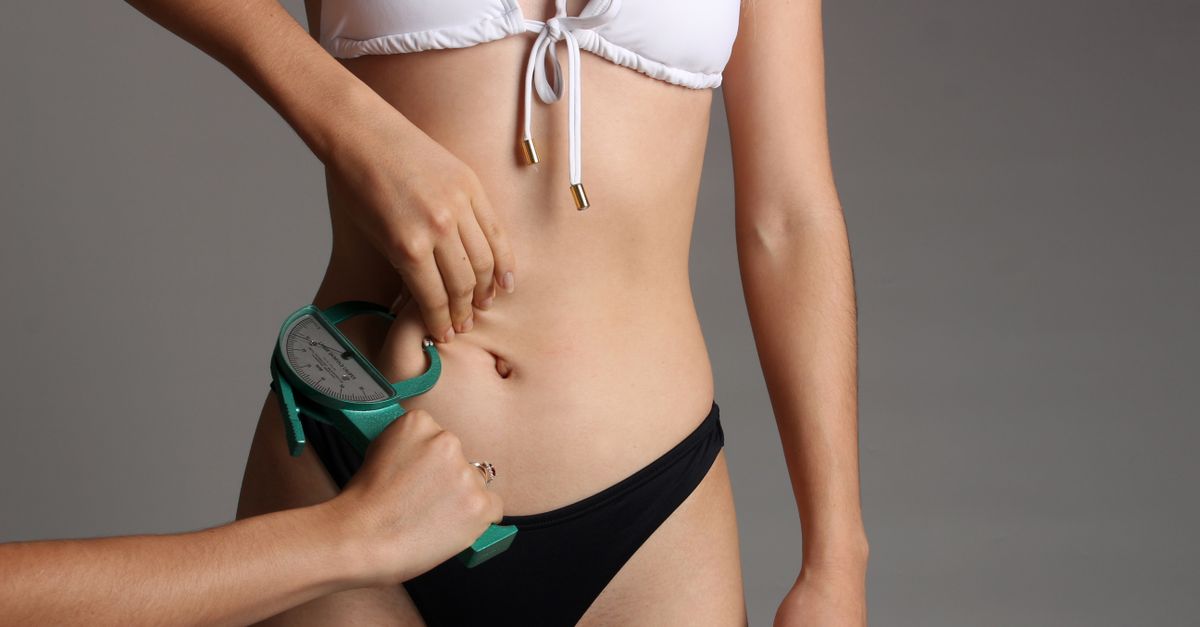
Why Body Fat Percentage Matters More Than Weight Alone
Weight alone doesn’t tell the full story of your health or fitness. Two people can weigh the same but have very different body compositions. For example, a muscular athlete might weigh more than a sedentary person of the same height, but their body fat percentage could be much lower. Body fat percentage gives you a clearer picture of how much of your weight is fat versus lean tissue like muscle and bone.
Health experts often use body fat percentage to assess risk for conditions like heart disease, diabetes, and metabolic syndrome. According to the American Council on Exercise, healthy body fat ranges differ by sex and age. For men, a healthy range is typically 10-20%, while for women, it’s 20-30%. Athletes may fall below these ranges, and older adults might be at the higher end. Knowing your percentage helps you set realistic goals, if you're aiming to lose fat, build muscle, or maintain your current level.
Tracking body fat percentage over time is also more motivating than watching the scale. If you’re strength training, you might gain weight as you build muscle, but your body fat percentage could drop. This shows progress even if the number on the scale doesn’t change. The Body Fat Calculator makes it easy to monitor these changes without expensive equipment or gym visits.
What You’ll Need to Calculate Body Fat at Home
Calculating your body fat percentage at home is simple and requires just a few items:
- A flexible tape measure (the kind used for sewing or tailoring works best).
- A mirror or a helper to ensure your measurements are accurate.
- Your height in centimetres (or inches, but the calculator works best with metric).
- The Body Fat Calculator tool, which you can access from any device with a browser.
Unlike other methods, you don’t need calipers, a scale, or a gym membership. The tape measure is the only tool you’ll use to gather your measurements, and the calculator does the rest. This makes it one of the most accessible ways to estimate body fat, when you're at home, traveling, or just prefer privacy.
For the most accurate results, measure yourself in the morning before eating or drinking. Wear form-fitting clothing or measure directly against your skin. Stand straight but relaxed, and avoid sucking in your stomach or flexing your muscles. Consistency is key—measure the same way each time to track progress accurately.
How to Measure Your Body for the Calculator
To get an accurate estimate, you’ll need to measure three key areas: your neck, waist (and hip if you’re female), and height. Here’s how to do it correctly:
- Neck: Stand straight and measure around the middle of your neck, just below your larynx (Adam’s apple). Keep the tape measure level and snug but not tight. For men, this is the only upper-body measurement needed.
- Waist: Measure around the narrowest part of your waist, usually just above your belly button. Stand relaxed and breathe normally—don’t suck in your stomach. For women, this is one of two lower-body measurements.
- Hip (female only): Measure around the fullest part of your hips and buttocks. Keep the tape measure level and snug but not tight. This measurement is only required for women.
- Height: Stand straight against a wall and measure your height in centimetres. If you don’t have a tape measure, use a ruler and mark the wall, then measure the mark with a standard tape.
Once you have your measurements, enter them into the Body Fat Calculator. The tool updates instantly as you type, so you’ll see your estimated body fat percentage right away. For the most reliable result, re-measure every few weeks and average the numbers to account for small daily fluctuations.
How to Use the Body Fat Calculator Step by Step
Using the Body Fat Calculator is quick and straightforward. Follow these steps to get your estimate in moments:
- Select your sex from the dropdown menu. This adjusts the formula to account for typical differences in body fat distribution between men and women.
- Enter your height in centimetres. If you measured in inches, convert it first (1 inch = 2.54 cm).
- Measure your neck circumference and enter it into the field. For men, this is the only upper-body measurement needed.
- Measure your waist circumference and enter it. For women, you’ll also need to measure and enter your hip circumference.
- As you type, the calculator updates instantly. Your estimated body fat percentage and fitness band will appear below the form.
- For a more reliable average, re-measure and enter your numbers again in a few days or weeks. The tool will show your progress over time.
The calculator uses a formula based on the U.S. Navy’s body fat estimation method, which is widely recognized for its accuracy and simplicity. It’s not as precise as lab tests like DEXA scans or underwater weighing, but it’s close enough for most people’s needs. The fitness band (e.g., “Athlete,” “Fitness,” “Average”) helps you understand where you stand compared to others in your age and sex group.
What Your Body Fat Percentage Result Means
After entering your measurements, the Body Fat Calculator shows your estimated body fat percentage and a fitness band. Here’s what the bands typically mean for adults:
| Fitness Band | Men (Body Fat %) | Women (Body Fat %) | Description |
|---|---|---|---|
| Essential Fat | 2-5% | 10-13% | The minimum fat needed for survival. Below this level is unhealthy and unsustainable. |
| Athlete | 6-13% | 14-20% | Typical for competitive athletes. Low fat, high muscle definition. |
| Fitness | 14-17% | 21-24% | Lean and healthy, with visible muscle tone. Common for active individuals. |
| Average | 18-24% | 25-31% | Typical for most adults. Some muscle tone, but higher fat levels. |
| Obese | 25%+ | 32%+ | Associated with higher health risks, including heart disease and diabetes. |
These ranges are general guidelines and can vary based on age, genetics, and activity level. For example, older adults may naturally have higher body fat percentages, while athletes might fall into the “Athlete” or “Fitness” bands even if they’re not competitive. The key is to focus on trends over time rather than a single number. If your percentage is higher than you’d like, small changes in diet and exercise can help you move into a healthier range.
It’s also worth noting that body fat distribution matters. Fat around the abdomen (visceral fat) is more dangerous than fat stored in the hips or thighs. Even if your overall body fat percentage is in a healthy range, a high waist circumference can indicate higher health risks. The BMI Calculator and waist-to-height ratio can give you additional insights into your health.
How to Improve Your Body Fat Percentage
If your body fat percentage is higher than you’d like, small lifestyle changes can help you improve it over time. Here are some practical steps to get started:
- Strength Training: Building muscle increases your metabolism and helps your body burn fat more efficiently. Aim for 2-3 strength training sessions per week, focusing on compound movements like squats, deadlifts, and push-ups.
- Cardio Exercise: Activities like walking, running, cycling, or swimming help burn calories and reduce body fat. Aim for at least 150 minutes of moderate cardio per week, or 75 minutes of vigorous activity.
- Balanced Diet: Focus on whole foods like lean proteins, vegetables, fruits, and whole grains. Reduce processed foods, sugary drinks, and excessive alcohol. The Macro Calculator can help you plan your meals based on your goals.
- Hydration: Drinking enough water supports metabolism and helps your body function optimally. Aim for at least 8 glasses (about 2 litres) of water per day.
- Sleep: Poor sleep can disrupt hormones that regulate hunger and metabolism. Aim for 7-9 hours of quality sleep per night.
- Consistency: Track your progress with the Body Fat Calculator every few weeks. Small, sustainable changes are more effective than extreme diets or workouts.
Remember, body fat percentage is just one measure of health. It’s important to focus on how you feel, your energy levels, and other markers like blood pressure and cholesterol. If you’re unsure where to start, consider consulting a healthcare provider or a certified personal trainer for personalized advice.
Frequent Errors When Measuring Body Fat
Even with a simple method like the tape measure, small mistakes can affect your results. Here’s how to avoid them:
- Inconsistent Measurement Times: Measure at the same time of day, preferably in the morning before eating or drinking. Your waist and neck size can fluctuate throughout the day.
- Incorrect Tape Placement: For the waist, measure at the narrowest part, not where your pants sit. For the neck, measure just below the larynx. For the hips, measure around the fullest part of your buttocks.
- Pulling the Tape Too Tight: The tape should be snug but not digging into your skin. Pulling too tight can give you a falsely low reading.
- Sucking In Your Stomach: Stand relaxed and breathe normally. Sucking in your stomach can skew your waist measurement and give an inaccurate result.
- Using a Stretchy or Damaged Tape: A flexible tape measure is best, but it shouldn’t stretch or be worn out. Replace it if it’s no longer accurate.
- Ignoring Height: Your height is a key part of the formula. Measure it accurately, and don’t guess.
By avoiding these mistakes, you’ll get a more reliable estimate of your body fat percentage. Re-measure every few weeks to track progress, and don’t get discouraged by small fluctuations. Body fat percentage can vary slightly from day to day due to hydration, food intake, and other factors. Focus on the overall trend rather than a single number.
How the Body Fat Calculator Compares to Other Methods
The Body Fat Calculator is one of the simplest and most accessible ways to estimate body fat, but it’s not the only method. Here’s how it compares to other common techniques:
| Method | Accuracy | Cost | Ease of Use | Equipment Needed |
|---|---|---|---|---|
| Tape Measure (Navy Method) | Good (within 3-4%) | Free | Very Easy | Tape measure, calculator |
| Skinfold Calipers | Good (within 3-4%) | Low ($10-$50) | Moderate | Calipers, training |
| Bioelectrical Impedance (Smart Scales) | Fair (within 5-8%) | Low to Medium ($30-$200) | Easy | Smart scale |
| DEXA Scan | Very High (within 1-2%) | High ($100-$300) | Hard (requires appointment) | Specialized lab equipment |
| Underwater Weighing | Very High (within 1-2%) | High ($50-$200) | Hard (requires appointment) | Specialized lab equipment |
The tape measure method is ideal for most people because it’s free, private, and doesn’t require special equipment. While it’s not as precise as lab tests like DEXA scans or underwater weighing, it’s accurate enough for tracking progress and setting goals. For best results, combine it with other tools like the BMI Calculator or waist-to-height ratio to get a fuller picture of your health.
If you’re an athlete or need highly accurate measurements for medical reasons, consider a lab test. But for everyday use, the Body Fat Calculator is a great starting point. It’s fast, free, and works for anyone, regardless of fitness level.
Related guide: How to Convert Degrees to Radians in Seconds – Free Online Tool.
Related reading: Calculate Bra Size at Home in 3 Quick Steps.
Related reading: How to Calculate Body Fat and Muscle Mass Percentage.