The word chain memory game is a five-round ordered-recall challenge that awards exactly 200 points per correct chain for a maximum of 1,000 points. In Word Chain Memory on this page, each round reveals a slightly longer ordered list of plain English words, hides the list, and asks the player to retype the entire sequence from the first word using spaces between tokens. The five rounds always run in the same order, and each round adds one new word to the file so the final round contains a five-word chain that started as a single word on round one. The interface shows the chain as individual labeled word blocks during Reveal, then unmounts the list entirely before the recall field appears, so the active recall screen never contains the answer. The validator normalizes capital letters and repeated whitespace, but it refuses to split tokens that were joined without a space, which is why EMBER HARBOR matches ember harbor while emberharbor is read as one token and therefore rejected. Each correct recall is worth exactly 200 points, so five clean rounds sum to a fixed total of 1,000.
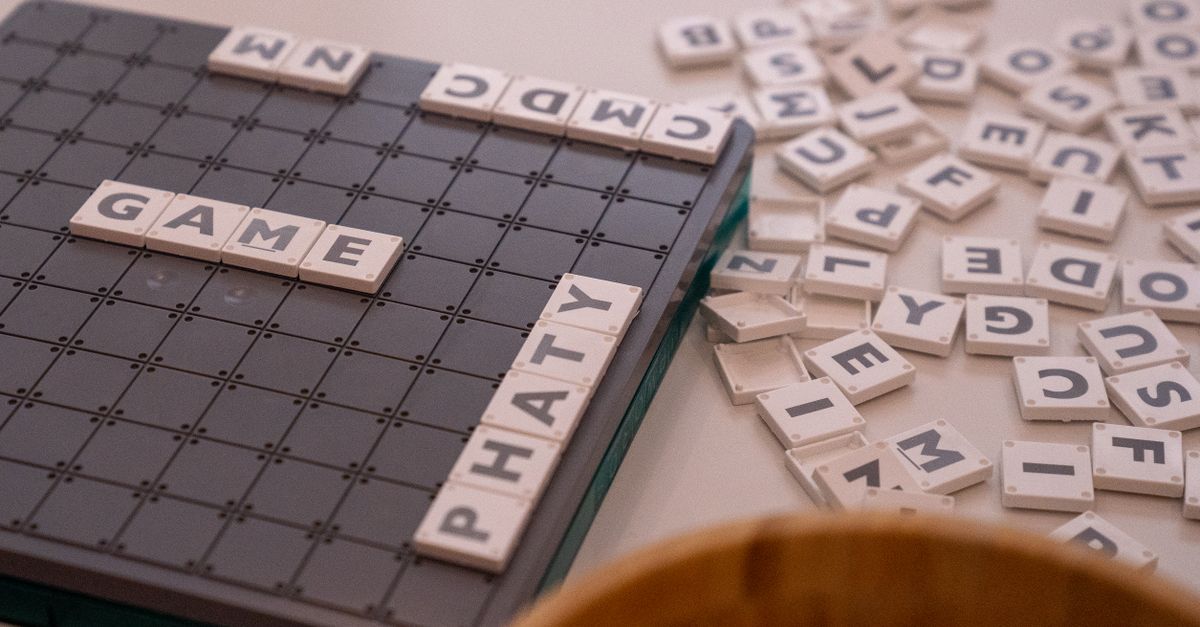
What a Word Chain Memory Game Actually Tests
The discipline the page trains is ordered short-term verbal recall. The chain grows rather than shrinks, which forces the player to keep adding new tokens to an existing mental list without disturbing the order of earlier ones. A pair-matching memory game trains a different skill because it pairs two identical cards, and a number-string memory test trades the linguistic channel for digit strings. A word chain memory game concentrates on one variable: the order and the boundary count of a small growing file. The player cannot lean on semantics to fill a gap. Each round contains every word from the previous round plus a single fresh token, and the validator compares the typed sequence position by position rather than testing meaning, so substituting a synonym would fail even when the substitution would be perfectly reasonable in a vocabulary game. The run also refuses any kind of partial credit: recall the whole chain from word one to the newest token or do not score at all.
Inside the Fixture Word Chain Memory Uses
Every load of the game hands the player the same five chains, in the same order, so the run is auditable before it starts. Each round extends the previous round's chain by one new word placed at the end of the list, so round two contains the round-one word plus one additional token, round three contains the round-two chain plus a third, and so on through round five, which contains the full five-word file. The exact five tokens are part of the original product content rather than a vocabulary list, educational sample, or imported word source, so they are used only as game pieces and make no spelling-level, lexical, or proficiency claim. Because the answer route is identical on every load, two players comparing scores can be sure they faced the same chain, and anyone who closes the page and reopens it later will see the same five words in the same positions in the same order. The fixture's plain, ordinary tokens let the focus of the run sit on order and boundary count rather than on obscure vocabulary.
Playing Word Chain Memory in Five Steps
The run takes one practice attempt to learn, and the following ordered steps cover everything the interface asks for. The Word Chain Memory game follows this exact flow on every load.
- Read the current chain from left to right during the Reveal phase, treating each visible word block as one ordered token in the file.
- Press H or click the Hide words and recall control to unmount the visible chain and switch the page to the recall phase.
- Type every word shown for the current round, separated by spaces, in the same left-to-right order in which they appeared during Reveal.
- Press Enter or click Check to submit; a correct chain awards exactly 200 points and advances to the next round's Reveal state.
- Repeat rounds one through five; five clean recalls produce a final score of exactly 1,000 points.
Input Rules the Validator Enforces
The recall screen looks free-form, but the validator normalizes a few specific kinds of variation and rejects a few specific others. The following table summarizes the published input rules so players do not lose points to avoidable formatting slips or get a token count wrong by accident.
| What the player types | How the validator treats it |
|---|---|
| Extra leading or trailing whitespace | Trimmed before comparison; matches the canonical chain |
| Repeated whitespace between words | Collapsed; matches single-space input |
| Capital letters anywhere in the sequence | Lowercased with the en-US locale; matches |
| Two tokens joined into one, e.g. emberharbor | Read as a single token; does not match |
| Blank submission | Rejected as a harmless no-op; no error consumed |
| Punctuation or digits mixed into the entry | Rejected as harmless no-ops; no error consumed |
The headline takeaway from this table is that casing and spacing do not matter, but word boundaries do. If the round shows a three-word chain, typing the same words in capitals with extra spaces succeeds, while joining the second and third tokens with no gap fails because the validator never invents a break between two glued letters.
Scoring, Errors, and the Two-Mistake Deadlock
Scoring is exact and publicly disclosed. Each correct recall adds 200 points, the score climbs from 0 to 200 to 400 to 600 to 800 to 1,000 across five rounds, and there is no timer bonus, speed penalty, hidden multiplier, or random adjustment of any kind. Wrong submissions behave in a more careful way than a typical counter. The first distinct wrong sequence stays on the board as a recoverable mistake, and submitting the same normalized wrong sequence a second time is recognized as a repeat rather than as another error, so duplicate mistakes do not consume extra chances. A second different wrong sequence closes the run in a visible deadlock, after which the answer field and the phase actions freeze. The recovery path is the explicit Restart control, which returns the page to round one, zeroes the score, and clears the error tally. This makes a run that ends in deadlock auditable on the spot: anyone can see exactly which wrong submission closed the file and which one was deduped as a repeat.
How Word Chain Memory Compares to Other Memory Games
Several memory tools on this site share a five-round structure and an exact 1,000-point ceiling, but the underlying material and the recall task differ. The table below lines up the published task for each tool so a reader can pick the right kind of memory exercise.
| Game | Material | What you recall | Recall direction |
|---|---|---|---|
| Word Chain Memory | English words | The full ordered chain from round one | Forward only |
| Number Memory Test | Digit strings | The full digit string per round | Forward only |
| Backward Digit Span Test | Digit strings | The full digit string per round | Reversed order |
| Memory Match | Six fixed symbol pairs | Which two tiles match | Position-based pairing |
| Paired Associates Memory | Cue-to-scene links | Which associate fits the cue | Associative |
The side-by-side point worth holding is that no other tool on this site uses the exact same material or the exact same recall shape as Word Chain Memory: a growing forward-ordered English word chain where the validator normalizes case and spacing but strictly enforces token boundaries. If a digit channel suits you better, Number Memory Test runs the same reveal-hide-type flow with numbers instead of words. If you like verbal recall with a reversed instruction, Backward Digit Span flips the order. If you want cue-based rather than ordered recall, the Paired Associates Memory track is the natural adjacent choice.
Strategies for Holding a Five-Word Chain
A five-word chain is short, but it grows every round, and the only thing that separates a 1,000-point run from a stalled one is how the player carries words from one round into the next. A handful of disciplined habits are worth practising before the first Reveal even starts.
- Chunk on a meaningful beat. Pair the round-one word with the round-two word as one short phrase in your head, then let later rounds keep extending the phrase without dismantling the earlier pair.
- Rehearse silently between Reveals. Once the list disappears, run through the file once in order before typing; the rehearsal catches dropped or transposed tokens before they reach the validator.
- Keep the original tokens. Do not paraphrase or reorder; the validator matches position by position against the disclosed fixture, so a synonym silently swapped in counts as a wrong sequence.
- Watch the gaps. During Reveal, count the visible word blocks rather than reading only the letters; remembering that a chain contained four blocks protects against merging two of them.
- Use the keyboard loop end-to-end. Press H to hide, type in the recall field, and press Enter to check without leaving the home row, which removes the friction of switching between mouse and keyboard.
If the run does stall at a deadlock, the path back is the same on every load: hit Restart, watch the round-one Reveal, and retype the round-one word to begin again. The session state disappears when the page is closed, so the local best score in this browser is the only number that survives across visits.
Word Chain Memory is built for a short, repeatable browser break: five rounds of growing recall, one exact ceiling, no timer. Anyone who loads the page can run through the five-step loop above, audit any 1,000-point finish against the fixed fixture described here, and reset in one click if a second distinct mistake closes the run. For ordered memory work with a cue-shaped rather than cumulative twist, the Association Memory Test covers five original cue pairs to a 1,000-point ceiling in the same browser.
Related reading: Basic vs Extended Word Families: What Each Means.