A command-line barcode generator runs from a terminal prompt and writes an image file to disk, while an online barcode generator runs inside a web page, renders the symbol as you type, and hands you a downloadable file with one click. The first path is a developer habit inherited from open-source utilities like Zint or commercial command-line kits such as ActiveBarcode's CLI, where each invocation produces one image from one argument string. The second path is a browser page that uses JavaScript to draw the bars locally and outputs a vector file you can drop straight into a label template, packaging artwork, or spreadsheet. For most readers who want a single scannable label — a retail EAN, a shipping Code 128, an inventory Code 39 — the online approach wins on setup time, format guidance, and built-in check-digit math, and it costs nothing.
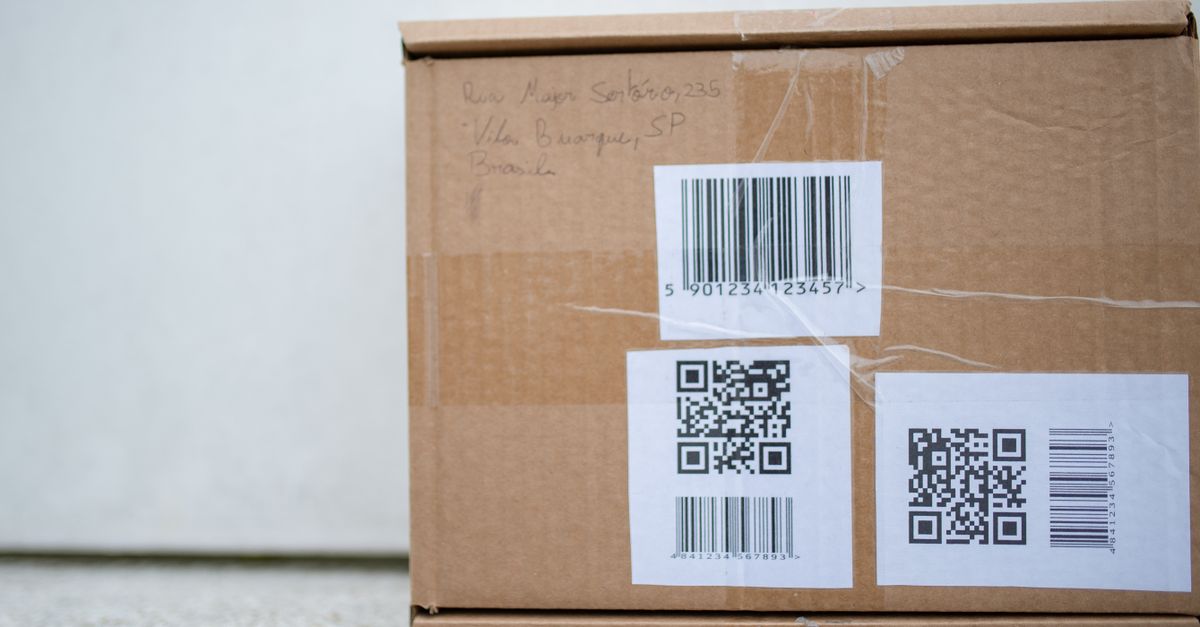
What a Command Line Barcode Generator Actually Does
A command-line barcode tool is a small executable that lives on your operating system. You type something like zint --barcode=128 --output=label.png "ABC-12345" and the program writes an image file to a path you specify. The Open-source project Zint documents itself as a cross-platform barcode generation solution for desktop, command line, and developers, while commercial kits such as ActiveBarcode expose a command-line interface on Linux, macOS, and Windows for the same purpose. The strength of this model is repeatable automation: a shell script can iterate through a CSV of product codes, call the binary once per row, and produce a folder of label images without anyone touching a mouse.
The trade-off is everything around that call. You install the binary, add it to your PATH, learn its flag syntax per symbology, handle your own file naming and cleanup, and either live with the output format the tool supports or pipe through ImageMagick to convert it. Retail formats that need a check digit force you to compute or supply that digit yourself, and EAN-13 or UPC-A codes with a wrong check digit print silently and then fail to scan at checkout.
What an Online Barcode Generator Does
An online barcode generator is a web page that draws the symbol in JavaScript inside your own browser. The Barcode Generator from Lizely covers the four most-used 1D symbologies — Code 128, EAN-13, UPC-A, and Code 39 — and renders the result as a vector SVG that you download with one click. Because the work happens locally, the value you type never leaves your device, the page works offline once loaded, and there is no account, watermark, or usage limit.
The format picker doubles as a decision aid: Code 128 for shipping labels and any text that mixes letters and digits, EAN-13 or UPC-A for retail products, Code 39 for internal inventory. The check digit, the final modulo-10 number that lets a scanner catch misreads on EAN-13 and UPC-A codes, is added for you when you type 12 of the 13 digits, and verified when you paste the full code, so typos surface before you waste a label sheet.
Command Line vs Online Barcode Generator at a Glance
The table below lines up the practical differences for the kind of jobs most readers are weighing. It compares on setup, format coverage, check-digit handling, output type, privacy, and where each approach tends to fit best. Use it as a quick filter before you pick a workflow.
| Dimension | Command Line Barcode Generator | Online Barcode Generator |
|---|---|---|
| Setup | Install a binary, learn its flags, manage file paths | Open a page in any browser, no install |
| Typical formats | Many, depending on tool (Zint lists dozens) | Code 128, EAN-13, UPC-A, Code 39 |
| EAN/UPC check digit | You compute or supply it yourself | Added or verified automatically |
| Output format | PNG, SVG, EPS, or PDF depending on tool | Vector SVG that scales without blurring |
| Privacy | Local by default, since the binary runs on your machine | Local when generated in-browser; nothing uploaded |
| Best fit | Scripted batches, CI jobs, label pipelines driven by a database | One-off labels, retail SKUs, shipping tags, inventory stickers |
| Skill needed | Comfortable in a terminal and a shell script | None beyond typing a value and clicking Download |
How to Generate a Barcode Online in Three Steps
If your task is a single label or a short list, this is the shortest path to a print-ready file using the Barcode Generator. The whole flow runs in your browser, so your product codes and SKUs stay on your device.
- Choose a barcode format. Pick Code 128 for shipping labels, logistics tracking, or any value that mixes letters and digits. Pick EAN-13 for retail products sold worldwide or UPC-A for the same role in the US and Canada. Pick Code 39 for internal inventory, automotive, or industrial tags where a rugged alphanumeric code is enough.
- Type your value. For EAN-13, enter the first 12 digits and the tool appends the correct modulo-10 check digit, or paste the full 13-digit code and the tool verifies the check digit matches. For UPC-A, enter the first 11 digits or paste the full 12-digit code using the same pattern. Code 128 and Code 39 encode your text directly with no check-digit setup.
- Download the SVG. The barcode renders as you type. Click Download SVG to save a vector file that stays sharp at any size, from a small product tag to a full-page poster, and prints cleanly on any printer.
Drop the SVG into your label template, packaging artwork, spreadsheet, or design file. Because the bars are vector, you can resize freely without re-rendering or losing scan reliability.
When the Command Line Is Still the Better Choice
Browser generators are not a fit for every job. Three scenarios still favor a terminal-driven pipeline:
- Bulk automation from a data source. When a nightly job must turn a CSV of product codes into a folder of label images, a shell script that loops over rows and calls a CLI binary per row is more reliable than a browser tab.
- Headless server environments. A build server or a backend that has no browser and no display still needs a binary it can invoke, and the output is a plain file on disk that can be served or emailed.
- Custom symbologies or encoding rules. Open-source kits such as Zint cover a much wider format catalog than any single browser page. If you need a postal barcode, a stacked symbology, or a non-standard GS1 composite, a CLI tool is the realistic path.
Outside these cases, the terminal approach is mostly overhead. You spend time on flags, file paths, and check-digit math that a browser page handles on the spot.
What to Check Before You Print
Two details decide whether a barcode scans reliably, regardless of how you generated it:
- Output format. Vector SVG keeps the bar edges mathematically exact, so the symbol scans the same at one centimeter or one meter. Raster PNG or JPEG blurs those edges when scaled up, and a blurred edge is the most common cause of a label that looks right but fails to scan. If you need a raster file, generate the SVG first and then export to PNG at the exact pixel size you will print.
- Quiet zones and bar width. Every 1D symbology needs a clear margin, the "quiet zone," on each side of the bars, and the bar width has to match what your scanner expects. Both a CLI binary and a browser page produce a code that scans cleanly at a sensible size, so the practical move is to test one print on the actual label stock and scanner before committing to a full sheet.
For teams deciding between scripted pipelines and quick browser sessions, the same trade-off shows up in other tools — for example, the comparison outlined in our guide to the Bulk URL Generator: Command Line vs Online Compared walks through a parallel set of trade-offs for URL generation. The pattern is consistent: pick the path that matches the volume and the environment, and avoid installing a pipeline for a task that only runs a few times a month.
If you're weighing options, Htaccess Generator: Command Line vs Online Compared covers this in detail.