A live browser-based clock is the fastest substitute for a native web clock-in button inside Keka: open the Online Clock on the same device you use for Keka, confirm the displayed local time and time zone match your computer's clock, then use that verified reading as your reference at the moment you punch in. The tool shows both an analog face and a digital readout driven by the same Date object, so seconds, minutes, and the calendar day stay synchronized across the two displays. Because Keka's web attendance portal ultimately reads the time from your machine's clock anyway, a clean on-screen reference clock eliminates the guesswork of squinting at a tiny browser tab while trying to log a precise punch-in.
Keka's web clock-in flow varies by company configuration. Some accounts surface a big "Clock In" button on the dashboard; others route employees through a Timesheet page, a mobile-style web view, or a dedicated attendance widget embedded in the employee portal. Regardless of the exact layout, the bottleneck is identical: the user wants to confirm the current time before clicking the punch-in control so the timestamp matches what HR expects to see. An independent reference clock fills that gap without installing anything.
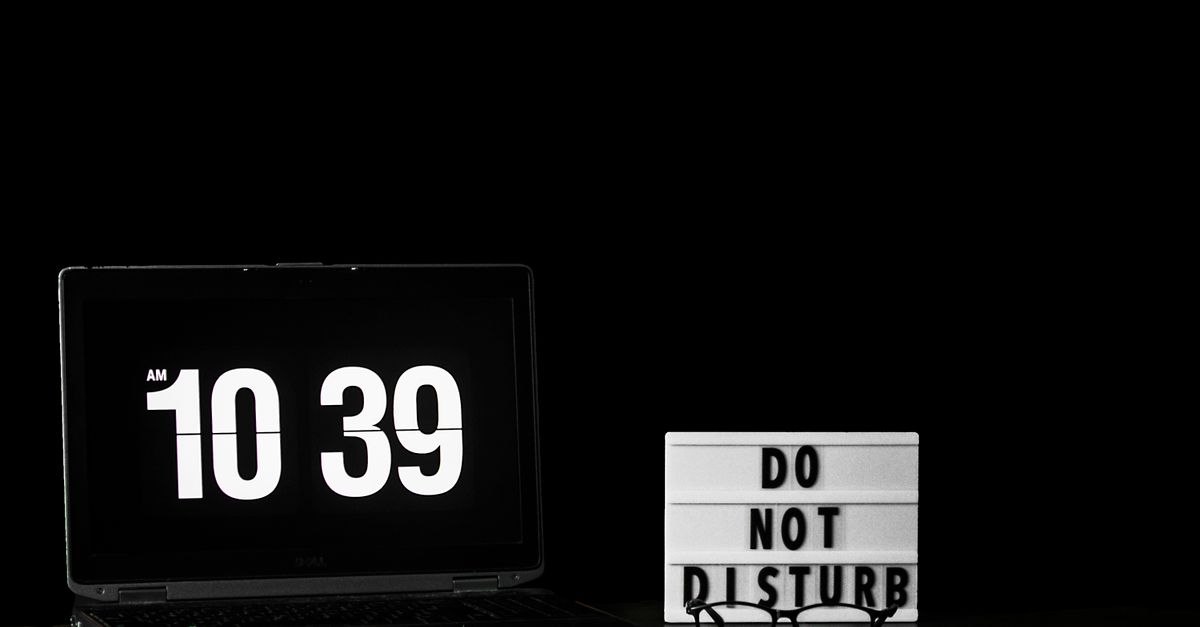
Why a Browser Clock Solves the Keka Web Clock-In Problem
Keka records the punch-in time based on the server's clock combined with the device's reported time zone. When those two pieces drift apart, employees see confusing late marks or early punches. A neutral reference clock pinned to the same device gives the user one job: read the time off a clean, large display, then click the Keka button. There is no second account, no sync step, and no risk of an extra app sending background notifications right before the punch-in moment.
The Online Clock is also device-local, which means it shows whatever time zone your operating system reports. That detail matters for remote and hybrid teams whose Keka portal is configured to a headquarters zone. Reading the zone label printed by the tool tells the user immediately whether the laptop is set to the correct region before the punch goes through.
How to Use the Online Clock for a Keka Web Clock-In
- On the same laptop or tablet you use to reach Keka's web portal, open the Online Clock in a new browser tab.
- Glance at the time zone label printed under the digital readout and confirm it matches the zone your Keka attendance is configured for; if it does not, fix the system clock zone before continuing.
- Decide whether your Keka dashboard uses 12-hour or 24-hour formatting and click the 12/24 toggle on the Online Clock so both displays match the format you will read out.
- Toggle the seconds display on if your company tracks second-level precision in the attendance log; leave it off for a calmer reading.
- Click "Enter fullscreen" to enlarge the clock if you plan to read it across the room or capture a time-stamped screenshot for your records.
- Wait for the displayed time to line up with your intended punch-in moment, then switch to the Keka tab and click the Clock In button.
- Press Escape or use the browser's fullscreen control to leave fullscreen mode after the punch is recorded.
Settings to Mirror on the Online Clock Before You Punch In
Three settings on the Online Clock matter when you are using it as a Keka web clock-in reference. The first is the time zone, printed beneath the digital readout; it must match the device's resolved zone, otherwise every reading is wrong by the offset. The second is the 12/24 toggle. Most Indian, UK, and European Keka deployments display 24-hour timestamps, while US-based teams often see 12-hour times with AM and PM. Picking the matching format prevents a misread at the moment of punch. The third is the seconds toggle; turn it on when the company tracks late marks at the second level, and turn it off when a clean minute-level reading is enough.
| Setting | What it controls | When to change it before a Keka punch-in |
|---|---|---|
| Time zone label | Display of the browser-resolved zone | If the label does not match the zone HR assigned to your account |
| 12/24-hour toggle | Switches the digital readout format | If the Keka dashboard uses a different format than the default |
| Seconds toggle | Adds or hides the seconds field | Enable when late marks are tracked to the second, disable for minute-level precision |
| Fullscreen | Expands the clock to the whole screen | Use when reading across the desk or capturing a screenshot |
Cross-Checking the Time Before You Click Clock In
Even with a clean reference clock, it is worth building a one-minute habit before each punch. Read the displayed time, the zone label, and the date, then compare those three values against another trusted source such as your phone's lock screen. If the two disagree, fix the device clock zone first; the Keka punch will inherit any drift your laptop carries. This habit prevents the common complaint of being marked "late by two minutes" when the worker clicked Clock In at the right moment but on a laptop whose zone had slipped to a neighbour region after travel.
The same habit is useful when daylight saving changes. Twice a year the device clock jumps forward or back by an hour; the Online Clock's zone label exposes the new offset immediately. A quick comparison against a phone that has already updated tells the user whether to punch in at the top of the hour or wait one hour. Skipping this check is the single most common cause of "phantom" hour-long discrepancies in web-attendance logs.
When to Use a Different Tool Instead
The Online Clock is best for a static, large-format time read at a known punch-in moment. For different needs, the productivity toolbox has more focused options. A stopwatch measures elapsed time during a shift, not the moment of punch. A countdown timer is useful when a manager wants to align the whole team to a synchronized clock-in window. A browser alarm can fire a few seconds before the official start so nobody forgets the button. For distributed teams that need to see multiple zones at once, a world clock prints several cities on one screen.
Troubleshooting Web Clock-In in Keka
If the Keka portal refuses a punch, the first thing to check is whether the browser tab has focus at the moment of click; some Keka deployments disable the Clock In button when the tab is throttled. The second thing is the date displayed on the Online Clock: if it shows yesterday or tomorrow, the device clock is wrong and Keka will record the punch against the wrong day. The third thing is the corporate VPN; a session routed through a regional gateway can shift the perceived zone by an hour, which again the Online Clock's zone label will reveal. None of these checks require leaving the browser; reading the Online Clock alongside the Keka tab is enough to surface the cause.
Employees who manage their own shifts often pair the Online Clock with a notepad open in another tab, jotting the displayed time beside each Clock In and Clock Out click as a personal audit trail. When a payroll dispute arises, that note plus a screenshot of the Online Clock's zone and date is usually enough to reconcile the record with HR.
Best Practices for a Clean Web Clock-In Routine
Build a small routine around three actions: open the Online Clock in a dedicated tab at the start of the workday, leave the tab pinned so the displayed time is always visible, and verify the zone label once each morning. The pinned tab turns the Online Clock into a passive status display rather than a tool the worker has to remember to open. For teams that operate in shifts across time zones, this routine also helps when a colleague asks "what time is it for you right now" — the answer is on the screen rather than buried in a menu.
Finally, keep the Keva tab and the Online Clock tab on the same browser profile so cookies and session state stay aligned. Switching browsers between the two tabs can produce inconsistent zone detection on some operating systems, which the Online Clock will surface the moment its zone label differs from the Keka dashboard's reported zone.
Related guide: How to Use a Notepad Effectively for Distraction-Free Writing.
Related reading: Teach Online with a Browser Whiteboard in Real Time.