An online clock analog display shows a device’s current local time through moving clock hands, paired with a matching digital readout, local date, and browser-resolved time-zone label.
The Online Clock gives you that combined view in one browser page. It reads the Date value supplied by the browser and device, so it reflects the clock and time-zone configuration already active on that device. The 12/24-hour and seconds controls change how that reading is presented; they do not adjust, synchronize, or correct the underlying system time.
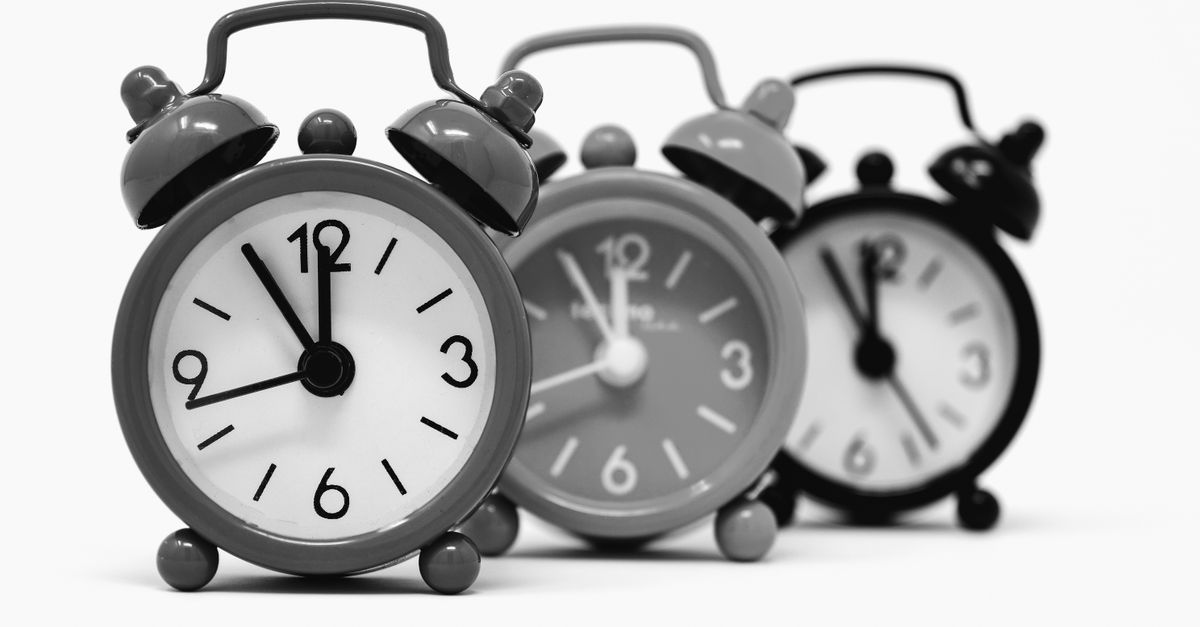
Inside the Combined Analog and Digital View
The main panel combines two representations of the same reading. The analog face provides the familiar spatial cue of moving hands, while the digital readout provides explicit digits. The surrounding date and time-zone information help confirm that the page is showing the intended device and local zone.
| Display element | What it shows | Practical purpose |
|---|---|---|
| Analog face | Moving hour, minute, and optional second hands | Supports a quick, familiar reading of the local time. |
| Digital readout | Explicit digits in the selected 12- or 24-hour format | Confirms the time without interpreting hand positions. |
| Date | English weekday, month name, day, and year | Helps confirm the intended calendar day. |
| Time zone | The browser-resolved time-zone name | Provides context for the device’s local-time reading. |
| Fullscreen | A larger browser presentation | Useful for a desk, meeting room, presentation, or second screen. |
Set Up the Online Clock Analog Display
- Open the clock and check its context. Confirm that the displayed local date and browser-resolved time-zone label match the intended device settings. The zone label may be a region name or a generic local-zone fallback, depending on platform support.
- Select the hour system. Choose 24-hour time if that is clearer for your audience. In 24-hour mode, hours run from 00 through 23 and include a leading zero. In 12-hour mode, midnight is 12 AM, noon is 12 PM, and other hours use 1 through 11 with an AM or PM suffix.
- Show or hide seconds. Choose the setting that suits the display. Hiding seconds removes the visible second hand and the digital seconds field, but it does not make the clock stop or alter the device’s time.
- Compare the analog and digital readings. Both displays use the same Date reading, so they should describe the same moment even though their presentation differs. Make this check before entering fullscreen.
- Select Enter fullscreen for a larger view. Fullscreen is requested through a direct user action. A browser can reject the request because of policy, an embedded context, device restrictions, or user settings; the rejected request produces a visible error.
- Leave fullscreen through the browser. Use the browser’s normal Escape key or fullscreen control to return to the regular page. Closing the browser tab also ends the display.
For a shared or unattended display, perform the date-and-zone check before the larger view opens. That prevents a correctly rendered clock from being mistaken for one configured for the wrong local context.
Read the Hands and Digits Together
The analog and digital displays are calculated from the same Date object, but they do not necessarily change visually in the same way. The page updates four times per second, allowing the second hand to move smoothly, while the digital display changes only when its visible fields change.
- The second-hand angle includes seconds plus milliseconds.
- The minute-hand angle includes the fractional contribution of the current seconds.
- The hour-hand angle uses the hour modulo 12 and includes the fractional contribution of minutes.
- Twelve o’clock maps to zero degrees, with the hands mapping to 6 degrees for seconds, 6 degrees for minutes, and 30 degrees for hours over their corresponding cycles.
| Setting | Hour field | Minutes | Optional seconds |
|---|---|---|---|
| 12-hour | 1 through 11 with AM or PM; midnight is 12 AM and noon is 12 PM | Always two digits | Two digits when visible |
| 24-hour | 00 through 23 with a leading zero | Always two digits | Two digits when visible |
Hiding seconds is a presentation choice rather than a coarse time mode. Even without a visible second hand, the minute and hour hands continue to include the current fractional time, allowing their positions to advance smoothly between whole-minute readings.
Confirm the Device Date and Time Zone
Time accuracy depends entirely on the device clock and time-zone configuration. Online Clock does not contact a network time server, compare offsets, correct drift, update daylight-saving rules, or certify legal time. If the displayed time is wrong, review the device’s date, current time, automatic synchronization, and time-zone settings.
The date formatter uses the zone already applied by the browser’s Date object. Its zone label may show a region name or a generic fallback when that is what the platform provides. Changing the operating-system zone while the page is open can affect later Date readings as the browser exposes the change, although some platforms may require a refresh.
There is no embedded country list, city-to-zone map, daylight-saving table, or maintained offset dataset behind the display. The clock therefore represents the browser’s local zone rather than independently resolving a named location. If you need to compare several places, use the World Clock comparison tool instead.
Expand the Clock with Browser Fullscreen
Select Enter fullscreen after verifying the date and zone. The page sends a fullscreen request to the browser rather than forcing the browser into a permanent display mode. Most browsers require the request to originate from a direct user action, and the request may be unavailable in an embedded page or restricted by device or browser settings.
When the request is rejected, the page shows an error instead of implying that fullscreen has been activated. Fullscreen also does not hide operating-system controls, prevent the device from sleeping, lock orientation, or turn the page into an operating-system screen saver. Use the browser’s usual Escape or fullscreen control to leave the mode.
Match the Display to Its Purpose
The combined clock works well as a desk clock, meeting-room display, study reference, event-countdown companion, presentation time check, or second-screen clock. The analog face gives viewers a familiar indication of the current local time, while the digital section removes ambiguity when a precise reading matters.
- Use 24-hour formatting when the audience is accustomed to hours from 00 through 23.
- Use 12-hour formatting when AM and PM labels are clearer for the intended viewers.
- Keep seconds visible when the movement of the second hand is useful.
- Hide seconds when a less busy display is preferable.
- Verify the date and zone before beginning a meeting, presentation, or recorded session.
Online Clock does not alert at a target time, measure elapsed intervals, or count toward a future deadline. For a scheduled browser alert, use an Online Alarm Clock; for count-up timing, use an Online Stopwatch; and for a remaining-duration display, use an Online Countdown Timer.
Know What This Browser Clock Does Not Do
- It displays one browser-resolved local zone rather than multiple world time zones.
- It does not set alarms, send notifications, or measure a target duration.
- It does not correct the operating system’s clock or guarantee legal time accuracy.
- It does not require an account, maintain server-side history, request location access, or record button presses as analytics events.
No time reading, zone, display preference, or fullscreen action is uploaded by the widget. The page has no background service, and closing the tab ends the clock. This makes it a straightforward local display rather than a synchronized time service, alarm system, or permanent screen-saver replacement.
If you're weighing options, Online Alarm Clock Loud Enough to Hear: Set It Right covers this in detail.
If you're weighing options, World Clock Accuracy: DST, Offsets, and Date Checks covers this in detail.