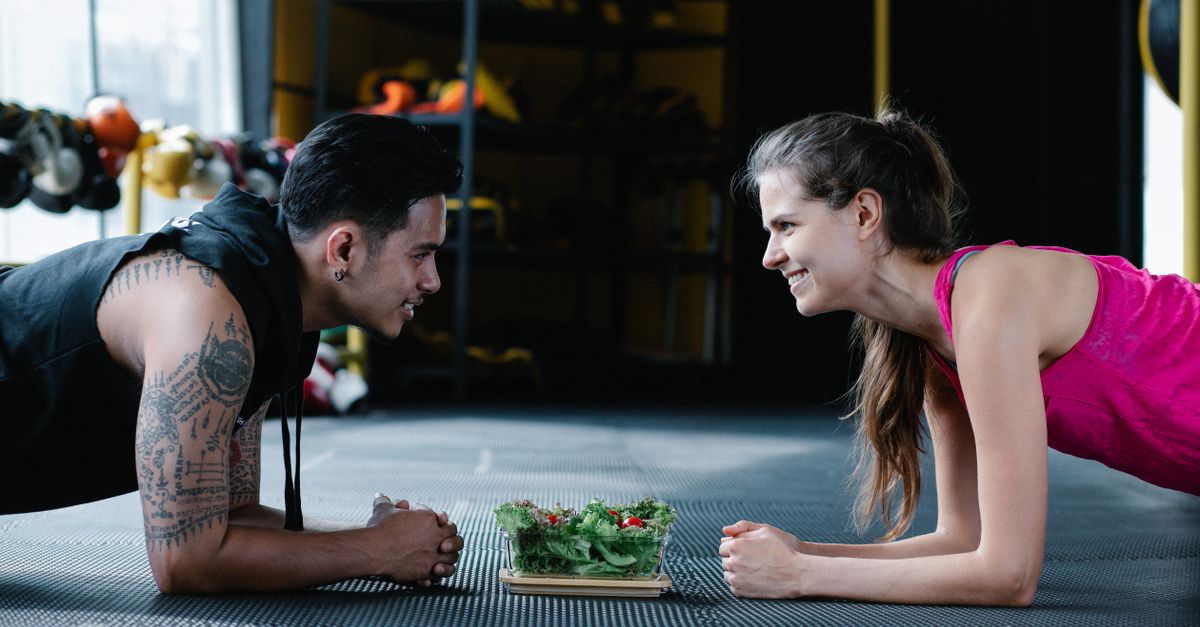
The right thing to eat before a workout is a light-to-moderate, easy-to-digest meal eaten roughly 60 to 120 minutes before you start, with simple carbs as the base, a small amount of protein, and low fat and fiber so your stomach is not still working during the session. Beyond that headline rule, the choice usually comes down to timing, what your kitchen already has, and what your stomach tolerates — which is exactly why so many people stall on the question. A general-purpose meal picker can break that loop by handing you a transparent idea pool to narrow, even if it is not a nutrition authority. The What Should I Eat Generator filters 24 original editorial ideas by meal, mood, and a rough time cap, then draws one locally in your browser. You treat the result as a starting direction, pick a real recipe, and verify the ingredients and lead time yourself.
Why Pre-Workout Meal Choices Get Stuck
Pre-workout is a narrower question than "what's for dinner." The body is about to be asked to perform, so the food has to be on its way out of the stomach long before the first rep, run, or set. That single constraint — a finite lead time — turns an ordinary meal decision into a tradeoff between energy, comfort, and what happens to be in the kitchen. Add the noise of generic advice about "good carbs" and "lean protein" and the question stops feeling casual.
Most people already know the rough shape of what works for them. The problem is the moment of choosing: staring at the fridge, scrolling a delivery screen, or asking a partner who is also tired. The decision has more dimensions than a normal lunch but fewer obvious anchors, so it loops. A picker that hands you one named idea from a small, transparent pool can move that loop forward without pretending to be a dietitian.
What the Generator Offers for Pre-Workout Decisions
The What Should I Eat Generator holds exactly 24 original editorial ideas, organized as four meals crossed with three moods, with two ideas in every combination. The four meal values are breakfast, lunch, dinner, and snack. The three mood values are fresh, cozy, and hearty. Mood is a practical interface category, not a nutrition claim: fresh leans toward crisp produce and brighter combinations, cozy toward warm familiar food, and hearty toward more substantial formats. When you leave a filter open, you widen the idea pool; when you pick a value, you narrow it.
The pool is small on purpose. The tool is a starting point for ordinary indecision, not a recipe database. Coverage is broad rather than deep:
| Meal | Fresh ideas | Cozy ideas | Hearty ideas |
|---|---|---|---|
| Breakfast | Fruit, yogurt, lighter plates | Toast and warm combinations | Potato hash and similar warm plates |
| Lunch | Salads, lighter bowls | Soups and noodles | Sandwiches and more filling bowls |
| Dinner | Stir-fry and lighter pasta | Pasta, rice, baked formats | Tacos and more substantial mains |
| Snack | Fruit and lighter bites | Toast bites, popcorn | Folded quesadilla, pantry snack mix |
Each cell holds exactly two ideas. The generator does not cross-list the same item under different meals, and meal labels describe when an idea might fit — they are not rules. A breakfast wrap can be dinner, and a snack mix can be part of lunch if the rest of the meal is light. The labels exist to narrow the editorial pool; the user is free to relocate the idea to the meal they actually need.
Picking a Pre-Workout Idea in Three Steps
For a pre-workout decision, the practical flow is short. The tool's verified operating steps match the way a person would actually use it.
- Set the filters. Choose the meal that matches when you are eating (often snack if you are under an hour out, lunch or a light dinner if you have more lead time). Pick a mood that suits how the food should feel — fresh for a light session, cozy for something warm, hearty if you have a long gap and a tough workout ahead. Add a time limit only if you need one; otherwise leave it open to keep the pool large.
- Draw and read the result. The browser requests an unsigned 32-bit value from the Web Crypto API, uses rejection sampling to keep the mapping fair, and lands on one eligible idea. Read the title, the short description, the rough preparation-time label, and the eligible-pool count shown above the result so you know how narrow your filters are.
- Verify before you commit. Open a recipe you trust, confirm the ingredient list against your pantry and any allergies, and check the lead time. If the suggestion does not fit your window, draw again or widen one filter. The result is a direction, not a meal plan.
Matching the Time Filter to Your Workout Window
Time is the one filter that maps most directly onto the pre-workout question, because lead time is what makes a pre-workout meal different from any other meal. The tool's three tiers assume common ingredients and basic kitchen equipment are already available and exclude shopping, thawing, marinating, unfamiliar techniques, cleanup, and interruptions. The label is a planning estimate, not a food-safety cooking time.
| Filter | What it includes | Practical pre-workout use |
|---|---|---|
| Up to 15 minutes | Only ideas labelled 10 or 15 minutes | Best when you are eating close to the session and want something minimal |
| Up to 30 minutes | Adds 20- and 30-minute ideas | A common middle ground with a little prep time |
| Up to 45 minutes | The full 24-idea collection | Use when you have a long lead time and want any idea to count |
Actual preparation can be shorter or longer than the label. Set a shorter tier if your stomach tends to react to richer food; set a longer tier if you are eating well ahead of the workout and the food can sit comfortably while it digests.
What the Tool Will Not Decide for You
The generator intentionally does not check allergies, dietary restrictions, medical diets, or specific nutritional targets. Dish names do not prove their ingredients or preparation method. A suggestion titled "yogurt bowl," "stir-fry," or "quesadilla" tells you a direction, not which ingredients, allergens, or substitutions will end up on the plate. The same named dish can be suitable or unsuitable depending on the recipe you follow.
Nothing is uploaded or saved by the widget. Filters and the current result live only in the open page, and clipboard access is requested only when you press Copy idea. The tool does not inspect browsing history, location, health information, pantry contents, or previous meals. It does not rank local businesses, provide a recipe, order food, calculate nutrition, or compare prices.
For medically prescribed diets, serious allergies, infant feeding, pregnancy concerns, swallowing problems, or other health-related needs, rely on qualified guidance and verified ingredient information rather than a random general prompt. The best use case for this tool is ordinary low-stakes indecision: you want a broad idea, understand your own constraints, and will make the real food decision yourself.
Putting the Suggestion Into Practice
Once the generator hands you a title, treat it like a conversation starter. First confirm that the meal and rough effort fit your workout window — a snack idea ten minutes before a heavy session is a different plan from a dinner idea two hours before the same session. Then choose a recipe you trust from a source you trust, verify ingredients and allergens against the people eating, follow safe storage and cooking guidance, and adjust portions for the people involved.
If a suggestion is impractical — say you drew a baked potato when you only have twenty minutes and a microwave — draw again or widen one filter. The browser keeps the eligible count visible because the no-repeat rule only changes the next draw, so later draws can return the same idea and all other eligible choices stay random. Use that as a feature: reroll when the first draw does not fit, and trust that the pool is the same small, transparent set every time. For a broader walk-through of the controls and limits, the step-by-step usage guide covers the filters, the copy button, and the way the no-repeat behavior is implemented.