Every valid 75-ball bingo card is a 5×5 grid with the letters B, I, N, G, and O printed across the top, a free space in the very middle, and twenty-four randomly drawn numbers filling the remaining squares — five numbers in the B column, five in I, four in N (the fifth being the free space), five in G, and five in O. Each column draws from its own fixed range, which is what makes the game work: B holds 1–15, I holds 16–30, N holds 31–45, G holds 46–60, and O holds 61–75. That range structure is why a caller can announce "B-7" or "O-72" and a fair card will always have a matching square somewhere on the board. Get those rules right and the game plays itself, no matter how many people are sitting at the table.
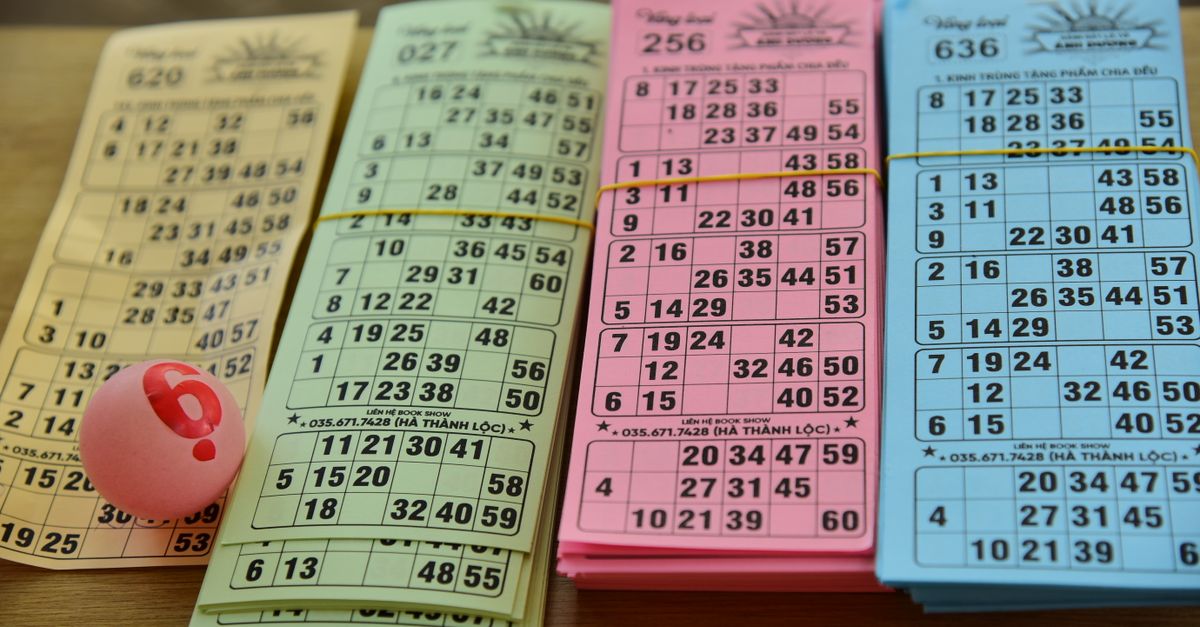
The 5×5 Card Layout and Why the Rules Matter
The first thing to understand is that a real bingo card is not a generic grid with random digits. The numbers follow strict rules, and those rules are what make the game playable at all. A caller draws lettered-and-numbered balls — "B-7", "N-32", "O-72" — and a valid card must contain a number that could legally appear under that exact letter. If a card put a 70 in the B column, the caller would never draw "B-70", and the square would be dead weight on the board for the whole round.
That is why every column draws from its own range, and why every column gets exactly the right count of numbers:
| Column | Number range | Squares filled with numbers |
|---|---|---|
| B | 1–15 | 5 |
| I | 16–30 | 5 |
| N | 31–45 | 4 (center is the free space) |
| G | 46–60 | 5 |
| O | 61–75 | 5 |
Add those numbers up and you get the famous twenty-four. The 25th square, right in the middle of the N column, is the free space that every player marks from the start. The math is simple: the B column has fifteen numbers and only five squares to fill, so the generator picks five unique values from 1–15 without repeating any. The I column does the same with 16–30. The N column has fifteen numbers too, but only four numbered squares (the center is the free space), so the generator picks four unique values from 31–45. The G and O columns follow the same five-square pattern with their own ranges. Because each column has at least fifteen numbers available but only a handful of squares to fill, the player has plenty of variety and the caller still has enough room in each column to make every draw feel fresh. No number ever repeats within a single card, so no player will ever have to cover the same square twice. The Bingo Card Generator handles all of that automatically, but it helps to know the rules behind the grid so you can spot a bad card at a glance.
How to Create Bingo Cards in One Click
Once you know the rules, the actual generation step is short:
- Open the Bingo Card Generator in your browser.
- Enter how many cards you need — anywhere from 1 up to 24 per batch.
- Press Generate to build the batch. Each card is generated independently, so no two boards will look alike unless randomness happens to line up that way.
- Check each card at a glance. You should see the letters B, I, N, G, O across the top, a free square in the middle of the N column, and the rest of the grid filled with numbers that fall inside the right ranges.
- Print the cards for your event, or download the batch as a self-contained file you can save and reprint later.
You can press Generate again at any time to build a brand-new batch — there is no limit on how many times you click, and each click produces a fresh set of cards. If you want to keep the same numbers, save the downloaded file before regenerating. There is nothing to install, no template to wrestle with, and no account to create.
Where These Cards Actually Work Best
The classic 75-ball game shows up everywhere in North America, from community halls and church basements to family living rooms on a Saturday night. A printable batch fits that range almost perfectly:
- Family game nights. Generate ten cards, hand one to each person, and you have an instant game without buying a boxed set.
- Senior centers and assisted living. Large-print cards, simple rules, and a friendly caller keep rounds going for an hour.
- Classrooms and ESL practice. Listening for a letter and a number, then finding it on the grid, is a quietly effective drill for younger learners and language students.
- Fundraisers and office parties. A full batch costs nothing to produce and runs on whatever space you have.
- Baby showers and holiday gatherings. The same card format works as an icebreaker for almost any themed event.
A full classroom of 24 students with one card each is exactly within a single batch. Two batches produce up to 48 cards for a mid-size group. Because generation takes a single click, the host can rebuild the deck on the fly if a card gets lost or if someone wants a fresh board between rounds. Because each card is generated independently, two players are very unlikely to hold the same board, which keeps finishes honest even when the prize is the last slice of cake.
Print, Download, or Play on Screen
You have three realistic ways to use the cards once they are generated, and each one fits a different kind of event:
- Print directly. Press the Print button and the tool sends a clean, ink-friendly layout straight to your printer. This is the fastest path when the event is in an hour and you just need paper in hand.
- Download the batch. Press Download to save a self-contained file you can open and reprint anytime. The file stays on your computer, so you can store it as a template and rerun the same set later if you want the same numbers again.
- Show on screen. For small groups or a quick demo, leave the page open and use the cards as digital boards. Each player zooms in on their own grid on a tablet or laptop.
The downloaded file is the most flexible option if you want a backup or want to share a deck with another host. The on-screen option is the most portable if your event has more screens than printers. Either way, you do not have to redraw any card by hand, and you do not have to hunt for a missing piece later in the game.
Why Each Card Stays Unique and Private
Two things tend to worry people who are generating cards for a real event: randomness and privacy. Both are handled on your own device, with no server in the loop.
Every card is produced with fresh random numbers, drawn independently for every board in the batch. No two cards share the same set of numbers unless pure chance happens to line them up that way, which is the same fairness guarantee you get from a packaged set bought at a store. Once everyone has a card, the caller pulls balls one at a time, players cover matching squares, and the first person to complete the agreed pattern calls out. The patterns you can play also follow standard 75-ball rules: a full row across, a full column down, either of the two diagonals, the four corner squares, or a blackout that covers every number on the card. Any of those patterns works on any card in the batch, so the host can switch the goal between rounds without rebuilding the deck.
On the privacy side, nothing leaves your browser. Numbers, cards, clicks, and downloads are created locally; nothing is uploaded, nothing is sent to a server, and no account is required to start. After the page loads, it keeps working even when the venue's Wi-Fi drops, so a flaky signal will not stop the game in the middle of a round. That makes the tool just as useful at a picnic pavilion, a retreat center, or a church basement as it is in a classroom with a strong network. Generate a batch, glance at the grid, print or download, and the room is ready to play in under a minute.
If you're weighing options, How to Get a Complimentary Sam's Club Card covers this in detail.
If you're weighing options, How to Generate Bingo Cards in Canva: Faster Path covers this in detail.