A math worksheet generator in Excel lets you create printable arithmetic practice sheets with a separate answer key in under a minute. While Excel itself can build tables and formulas, manually crafting dozens of problems, formatting them neatly, and keeping answers hidden is tedious. The Math Worksheet Generator automates this process: select the operation, set the problem count and number range, then generate a clean, ready-to-print sheet with a matching answer key. This approach saves time, ensures consistency, and eliminates formatting errors—ideal for teachers, parents, or tutors who need quick, customizable practice material.
Creating math worksheets manually in Excel involves multiple steps: setting up columns, writing formulas, formatting cells, and hiding answers. For example, a subtraction worksheet with 20 problems might require 40 formulas (20 for the problems and 20 for the answers), plus alignment adjustments and borders. If you need to change the difficulty or problem count, you must edit each formula individually. The Math Worksheet Generator simplifies this by handling all calculations and formatting automatically. Whether you're preparing homework for a classroom, extra practice for a child, or timed drills for a study group, the tool adapts to your needs without requiring spreadsheet expertise.
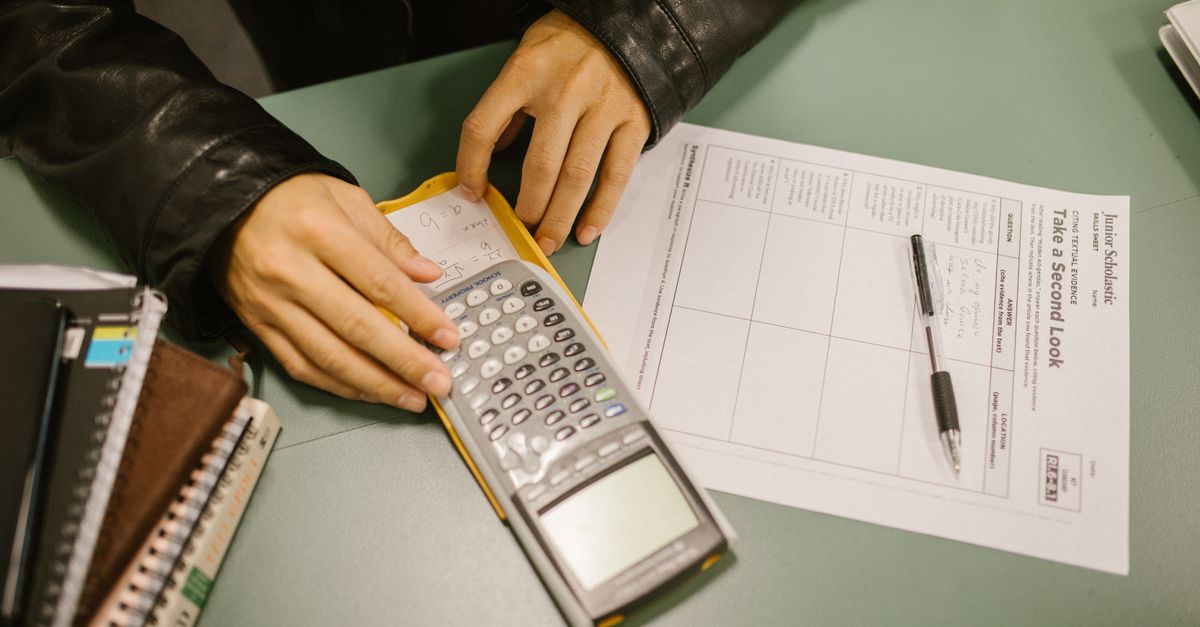
A Dedicated Math Worksheet Generator vs Excel: Which Works Better
Excel is a powerful tool for data analysis, but it wasn’t designed for creating math worksheets. While you can build tables and use formulas to generate problems, the process is time-consuming and prone to errors. For instance, if you want a worksheet with 30 multiplication problems using numbers between 1 and 12, you’d need to write 30 formulas, format each cell, and ensure the answers are hidden or placed on a separate sheet. Adjusting the difficulty—like changing the number range to 10–100—requires editing every formula manually. The Math Worksheet Generator eliminates these steps by letting you input your settings once and generating a fully formatted worksheet instantly.
Another limitation of Excel is the lack of built-in answer key functionality. To create a separate answer sheet, you’d need to duplicate your worksheet, unhide or copy the answers, and ensure the layout matches the student version. This doubles the work and increases the risk of mismatched problems. The Math Worksheet Generator handles this automatically, producing a clean answer key alongside the worksheet. It also avoids common formatting issues, like misaligned columns or inconsistent spacing, which can distract students or make the worksheet harder to read.
For educators or parents who need to create multiple worksheets quickly, the generator’s speed is a major advantage. Instead of spending 20–30 minutes setting up a single worksheet in Excel, you can generate several in the same time frame. The tool also supports all four basic arithmetic operations—addition, subtraction, multiplication, and division—with customizable number ranges, making it easy to tailor practice to different skill levels. if you're working with first graders learning addition or fifth graders mastering long division, the generator adapts to your needs without requiring advanced Excel skills.
How to Make a Math Worksheet in Excel Manually
If you prefer to create a math worksheet directly in Excel, follow these steps to set up a basic addition or subtraction sheet. This method works for small worksheets but becomes cumbersome for larger ones or when you need to adjust difficulty frequently.
- Open a new Excel workbook and select the first worksheet (Sheet1). Rename it to "Worksheet" by double-clicking the tab.
- Set up columns for problems and answers. In cell A1, type "Problem" and in cell B1, type "Answer." Adjust the column widths to fit the content (e.g., 20 for A and 10 for B).
- Generate random numbers for problems. For addition, use the formula
=RANDBETWEEN(min, max)in cells A2 and A3 (e.g.,=RANDBETWEEN(1, 10)for numbers 1–10). For subtraction, ensure the first number is larger than the second by using=RANDBETWEEN(5, 15)in A2 and=RANDBETWEEN(1, A2-1)in A3. - Write the problem formula. In cell A4, type
=A2&" + "&A3for addition or=A2&" - "&A3for subtraction. This combines the numbers into a readable problem (e.g., "5 + 3"). - Calculate the answer. In cell B4, type
=A2+A3for addition or=A2-A3for subtraction. - Copy the formulas down. Select cells A4 and B4, then drag the fill handle (small square at the bottom-right corner) down to create as many problems as you need (e.g., 20 rows).
- Format the worksheet. Bold the headers, add borders around the problems, and adjust font size for readability. To hide the answers, select column B, right-click, and choose "Hide."
- Create an answer key. Duplicate the worksheet by right-clicking the tab and selecting "Move or Copy," then choose "Create a copy." Rename the new sheet to "Answer Key" and unhide column B.
- Print the worksheet. Go to File > Print, select "Print Active Sheets," and adjust settings like margins or scaling to fit the content on one page.
While this method works for simple worksheets, it has limitations. Adjusting the number range or problem count requires editing multiple formulas, and formatting issues (like misaligned columns) can arise if the problems vary in length. For multiplication or division, the formulas become more complex, especially if you want to avoid remainders or negative results. The Math Worksheet Generator automates these steps, letting you focus on the content rather than the setup.
How to Generate a Math Worksheet in Seconds
The Math Worksheet Generator simplifies the process of creating custom math worksheets. Follow these steps to generate a printable sheet with a separate answer key in under a minute.
- Choose the operation. Select addition, subtraction, multiplication, or division from the dropdown menu. Each operation is optimized to avoid negative results (for subtraction) or remainders (for division).
- Set the problem count. Enter the number of problems you want (e.g., 20, 30, or 50). The generator will distribute them evenly across the page.
- Define the number range. Input the minimum and maximum values for the problems. For example, set 1–10 for basic addition or 10–100 for more challenging multiplication. The tool ensures the numbers stay within your chosen range.
- Generate the worksheet. Click the "Generate" button. The tool will create a clean, formatted worksheet with problems and a separate answer key. No formulas or manual adjustments are needed.
- Print or download. Use your browser’s print function to print the worksheet and answer key, or save them as PDFs for later use. The layout is designed to fit standard letter-sized paper.
The generator also includes features that Excel lacks, such as automatic alignment of problems and answers, consistent spacing, and the ability to regenerate worksheets with new numbers instantly. If you need to adjust the difficulty or problem count, simply update your settings and generate a new sheet—no manual editing required. This makes it easy to create differentiated worksheets for students at different skill levels or to generate fresh practice material for timed drills.
Customizing Worksheets for Different Skill Levels
Tailoring math worksheets to different skill levels ensures students are challenged without feeling overwhelmed. The Math Worksheet Generator makes this easy by letting you adjust the operation, problem count, and number range. Below are examples of settings for various grade levels and abilities.
| Skill Level | Operation | Problem Count | Number Range | Use Case |
|---|---|---|---|---|
| Kindergarten/Grade 1 | Addition | 10–15 | 1–10 | Basic number recognition and simple sums |
| Grade 2 | Addition/Subtraction | 20 | 1–20 | Building fluency with larger numbers |
| Grade 3 | Multiplication | 25 | 1–12 | Memorizing times tables |
| Grade 4 | Division | 20 | 1–100 | Practicing long division with no remainders |
| Grade 5+ | Multiplication/Division | 30 | 10–1000 | Advanced problem-solving and speed drills |
For students who struggle with basic operations, start with smaller number ranges and fewer problems. For example, a first-grade worksheet might include 10 addition problems with numbers 1–5. As students progress, increase the range to 1–10 or 1–20 and add more problems. For multiplication and division, focus on specific times tables (e.g., 2s, 5s, 10s) before moving to larger numbers. The generator’s flexibility lets you create targeted practice for any skill level without spending time on manual adjustments.
Another way to customize worksheets is by mixing operations. While the generator creates worksheets for one operation at a time, you can combine sheets to create mixed-practice material. For example, print an addition worksheet and a subtraction worksheet, then staple them together for a single assignment. This approach reinforces multiple skills in one session. If you need to track progress, use the generator to create a series of worksheets with the same settings, then compare results over time.
Tips for Using Math Worksheets Effectively
Math worksheets are most effective when they align with learning goals and provide clear, actionable feedback. Here are tips to maximize their impact, when you're using the Math Worksheet Generator or creating sheets manually in Excel.
- Start with clear objectives. Before generating a worksheet, decide what skill you want to reinforce. For example, if students are learning multiplication, focus on a specific times table (e.g., 3s or 7s) rather than mixing all operations. The generator’s customizable number ranges make this easy.
- Use consistent formatting. Worksheets with aligned columns, clear fonts, and adequate spacing reduce visual clutter and help students focus. The Math Worksheet Generator handles this automatically, but if you’re using Excel, avoid decorative fonts or colors that distract from the problems.
- Provide answer keys. Always include a separate answer key to save time during grading. The generator creates this automatically, while in Excel, you’ll need to duplicate and unhide the answer column. For self-checking, let students use the answer key to review their work immediately after completing the worksheet.
- Differentiate for ability levels. Not all students need the same level of challenge. Use the generator to create multiple versions of a worksheet with varying difficulty. For example, one sheet might include addition problems with numbers 1–10, while another uses 10–100. This ensures every student is appropriately challenged.
- Incorporate timed drills. For operations like multiplication or division, timed worksheets can build fluency. Generate a sheet with 50 problems and set a timer for 2–3 minutes. Track progress over time to measure improvement. The generator’s quick setup makes it easy to create fresh drills for each session.
- Review mistakes together. After students complete a worksheet, go over common errors as a group. For example, if many students struggle with subtraction problems that cross zero (e.g., 10 – 12), generate a new worksheet focused on that skill. The generator’s ability to regenerate worksheets with new numbers ensures you can revisit concepts without repetition.
- Combine with other tools. Use worksheets alongside interactive tools like virtual dice rollers for hands-on practice. For example, roll two dice to generate numbers for an addition problem, then use the worksheet to record the answers. This adds variety to practice sessions.
For teachers, worksheets can also serve as exit tickets or formative assessments. Generate a short worksheet (5–10 problems) at the end of a lesson to gauge understanding. The generator’s speed lets you create these on the fly, even during class. For parents, worksheets provide a structured way to reinforce classroom learning at home. Use the generator to create weekly practice sheets tailored to your child’s current lessons.
See also: Create Math Worksheets in Canva Without Starting From Scratch.
Related reading: Create a Free AI Avatar in Seconds With Initials.
Related reading: How to Make Math Worksheets With an Answer Key.
Related reading: Generate a Random Date in Excel Within a Range | Lizely.