The Zodiac Element Calculator does not find your zodiac sign from your birthday. It is a direct lookup tool built around a question you already have the answer to: pick a Western zodiac sign you know, and the page returns its traditional four-element classification — Fire, Earth, Air, or Water — together with the other two signs that share that same group. No birth date, birth time, or chart calculation is involved, and none is requested. Every answer comes from a fixed twelve-entry table that pairs each tropical zodiac sign with exactly one element, so the result is a known cultural reference rather than a calculation about you as an individual. The tool deliberately stops at this boundary. It never derives a sun sign from a calendar date, builds a birth chart, scores compatibility, or claims that an element measures personality scientifically. Treating it as a classifier for a sign you already know is the only task it is designed to perform, and that is what makes its output verifiable from a single sourced table.
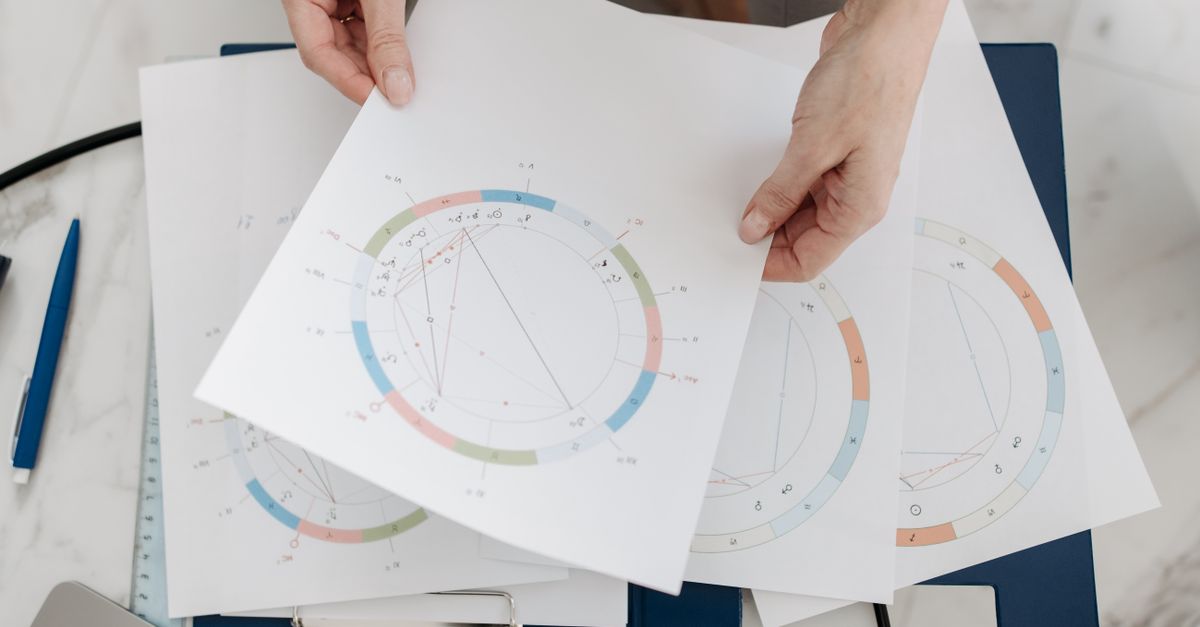
What "zodiac element" means in this calculator
Western astrology divides the twelve tropical zodiac signs into four traditional elements, each containing exactly three signs. Fire holds Aries, Leo, and Sagittarius. Earth holds Taurus, Virgo, and Capricorn. Air holds Gemini, Libra, and Aquarius. Water holds Cancer, Scorpio, and Pisces. Every sign appears in exactly one element, and every element contains exactly three signs, so the four groups together cover all twelve entries with no overlap. This four-element scheme is a long-running cultural classification used in Western thought and astrology, but it is not the chemical definition of an element from the periodic table, and it is not a scientific personality taxonomy. The tool therefore describes its output as a traditional classification and a cultural reference, and it does not turn the result into hiring advice, medical claims, relationship verdicts, or predictions about your future.
Because the mapping is a closed table, the answer for any sign you select is the same every time you look it up. There is no derivation, weighting, or personalization. Aries will always return Fire with Leo and Sagittarius; Pisces will always return Water with Cancer and Scorpio. That predictability is exactly what makes the page useful for readers who already know their sign or who already know the sign of a particular chart placement (Moon, rising, Venus, Mars, and so on) and simply want to confirm or explore the element group it belongs to.
How to look up an element for a sign you already know
- Choose a Western zodiac sign from the selector on the Zodiac Element Calculator page. You do not need to enter a birthday, birth year, birth time, or location — the tool deliberately asks only for the sign itself.
- Read the traditional element result that appears for the sign you selected. The page returns one of four labels — Fire, Earth, Air, or Water — drawn from the fixed twelve-entry Western element table.
- Inspect the complete three-sign group shown alongside the element. If you selected Leo, the page displays Fire and lists Aries and Sagittarius as the other two Fire signs, so you can verify that Leo sits between Aries and Sagittarius in the group rather than trusting a single-word badge.
- Cross-check the result against the full reference matrix visible on the same page. The matrix lists every sign in every element, so you can confirm any single lookup against the complete table without leaving the page.
- Use the Reset control to return to the initial sign when you are done. Reset clears the current selection in browser state and does not store it, log it, or send it anywhere.
Every step above happens locally in your browser. There is no fetch call, no account requirement, no model request, no cookie, no localStorage entry, no sessionStorage entry, and no analytics payload from the widget. The selected sign remains only in the current React state, which is why the tool is also appropriate for checking the element of a Moon sign, rising sign, or other chart placement that you already know but do not want to enter sensitive information about.
The complete twelve-sign element matrix
The table below is the same fixed mapping the calculator returns against. Every row is one element, every column inside the row is one of the three signs that share that element, and the four rows together cover all twelve Western zodiac signs with no overlap and no missing entries. This is the published Western astrology convention, and the calculator's evidence fixture stores it literally rather than generating its own expected answers.
| Element | Sign 1 | Sign 2 | Sign 3 |
|---|---|---|---|
| Fire | Aries | Leo | Sagittarius |
| Earth | Taurus | Virgo | Capricorn |
| Air | Gemini | Libra | Aquarius |
| Water | Cancer | Scorpio | Pisces |
You can verify any single result by reading across the row that contains the sign you picked. Selecting Scorpio, for example, returns the Water row and lists Cancer and Pisces as the two companion signs in that group. The matrix is shown on the page for exactly this reason: the full table is more informative than a one-word badge, and it makes any deviation from the published mapping immediately obvious.
Why the tool asks for a sign, not a birthday
Several popular astrology tools take a calendar date as their input and use month-and-day ranges to assign a sun sign. The Zodiac Element Calculator takes a different route on purpose. Asking for a known sign rather than a birthday keeps the tool accurate for readers who are not checking their sun sign at all — anyone inspecting a Moon sign, a rising sign, a Venus placement, or any other chart position already knows the sign and just wants its element. Forcing those readers to translate a chart placement back into a date would either be impossible or would silently assume they meant their sun sign, which would mislead them.
This is also the boundary that separates the page from the site's separate Chart Ruler Calculator in the same fortune category, and from the related sun-sign-by-date tool, which maps a calendar month and day to the popular tropical sun-sign date ranges. If your real question is "which sun sign does my birthday fall under," the sun-sign-by-date tool is the right destination. If your question is "which of the four traditional elements does the sign I already have belong to," the Zodiac Element Calculator answers it directly without asking for a birthday at all.
What the calculator does not do
The calculator is intentionally narrow. It does not derive a zodiac sign from a date, build a birth chart, score compatibility between two people, or rank elements against each other. It does not say Fire is better than Water, or that Earth is more compatible with Air than with Fire. It does not assign personality traits to an element, and it does not present the four-element scheme as a scientific measurement. The page uses phrases such as "traditional classification" and "cultural reference" to keep these limits visible, and the interface supports that boundary with text labels alongside any decorative color so the element identity never depends on seeing a hue.
The privacy boundary is equally strict. Because the only input is a known sign and the lookup runs locally, the tool does not collect, transmit, log, or persist any personal data. The Reset control clears the current selection and returns to the initial sign without retaining earlier choices, and the native selector plus Reset control are sized for comfortable touch and keyboard use with visible focus treatment. If a future reader needs numeric, dated, or compatibility outputs, those belong on a different page in the same fortune category, not folded into this classifier.
The verification checks behind the page enforce these limits directly: all twelve literal sign-to-element goldens are checked, the twelve sign keys are all unique, the four element groups each contain exactly three signs, and complete coverage with no overlap is confirmed. UI contract tests enforce direct sign selection, group display, cultural limitations, local privacy, and minimum control sizing. Correctness means reproducing this sourced classification — not proving any astrological personality claim about you.
If you're weighing options, Birthstone Finder by Date of Birth: Full List Lookup covers this in detail.
If you're weighing options, Chinese Zodiac by Year for Beginners: A Simple Start covers this in detail.