Birthstones are assigned by calendar month, so your exact day of birth never changes the stone you get from a birthstone-by-month lookup. Birthstones are a month-based cultural convention rather than a day-based astronomical one, and no widely recognised standard assigns a different stone to, say, March 14 versus March 28. When a tool asks you for a full birth date, the day is normally parsed away and only the month drives the answer. That is true of the published charts at the Gemological Institute of America and the American Gem Society, and it is also how the Birthstone Finder behaves: its optional date field exists so you can type a birthday you already know rather than working out which month to select, and the page says so plainly. The lookup never claims a day-level answer, because no such standard exists and inventing one would be worse than leaving the field blank. If two readers born in the same calendar month ever see different stones, the difference is coming from a different list, not a different day.
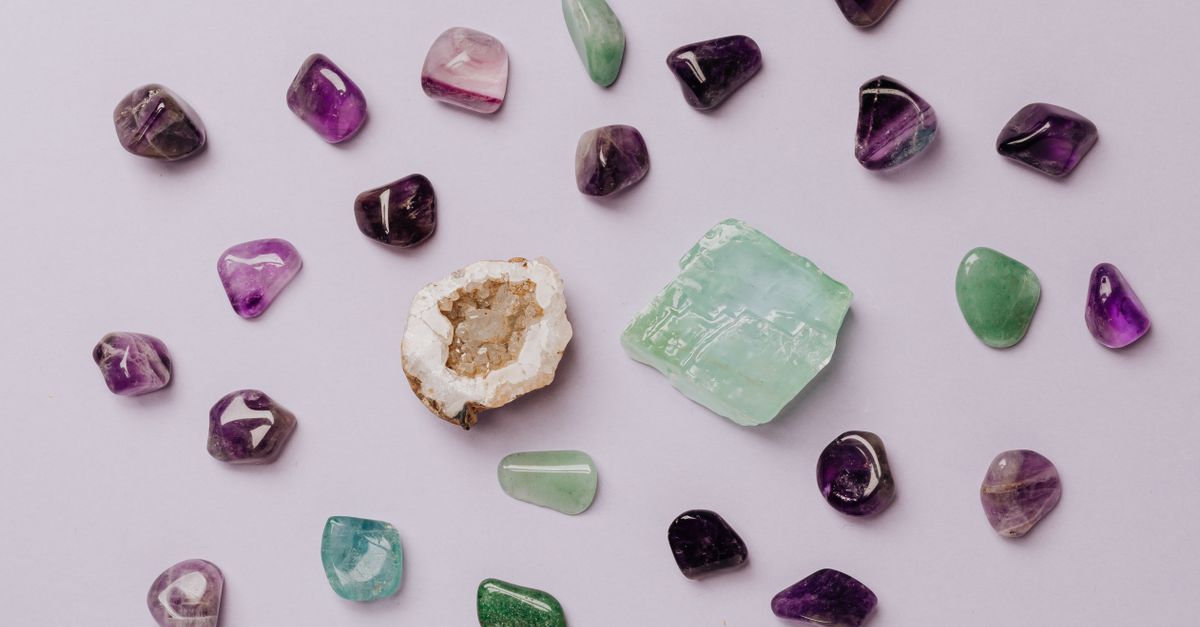
Why "Birthstone by Month" Is the Standard
The modern birthstone list was assembled and revised by jewellers' associations rather than by astronomers or geologists, and the organising unit has always been the calendar month. The American National Association of Jewelers adopted a standardised list in 1912, and every documented revision since has added or removed stones on a month-by-month basis. Alexandrite, tourmaline, citrine and zircon were added in 1952, tanzanite joined December in 2002, and spinel joined peridot for August in 2016, according to National Jeweler's account of the list's evolution. In every case the change was applied to the whole month, never to specific days inside that month. There is no historical tradition of assigning stones by day of month, no major jewellers' body that publishes a day-level chart, and no gemological laboratory that grades or sells cut gems under a per-day birthstone standard.
That last point is the practical one. A birthstone chart is a commercial and cultural convention. It tells you which gem is associated with a month for gifting, jewellery marketing, and personal symbolism. It does not describe a property of the stone itself, of your birthday, or of the calendar. So the natural unit of resolution is the month, and that is the resolution every reputable source works at. The American Gem Society confirms the same scope on its published birthstones page, where every stone is assigned to a calendar month and no day-level variation is offered. If you have ever seen a site that says people born on the 14th get ruby while people born on the 15th get garnet, that site has either invented the rule or copied a tradition nobody else maintains, and you should not treat its output as authoritative.
Where Real Variation Actually Comes From
If the day does not move the answer, what does? Two things, and both are worth knowing because they are the source of most of the genuine confusion around birthstones.
The first source of variation is the list itself. There are at least two competing lists in wide circulation. The modern list is the one used by contemporary retailers and is the one the Gemological Institute of America and the American Gem Society publish. The traditional list is older, comes from earlier custom, and varies noticeably between references. Some traditional charts disagree with each other so badly that they include stones that could not have been traditional at all, which is why the Birthstone Finder is conservative about this row and only shows traditional stones that two independent gemological references both list. The page handles this by showing the modern and traditional answers side by side rather than collapsing them.
The second source of variation is that the modern list is not a one-stone-per-month list at all. Six months legitimately carry more than one stone on the current chart. Anyone born in those months has a genuine choice, and any chart that prints a single gem for these months is simplifying.
- March: aquamarine and bloodstone
- June: pearl, alexandrite, and moonstone
- August: peridot and spinel
- October: opal and tourmaline
- November: topaz and citrine
- December: turquoise, tanzanite, and zircon
For three of these months the modern and traditional lists actually disagree about which stones belong:
| Month | Modern list (GIA + AGS) | Traditional list (intersection of sources) |
|---|---|---|
| March | Aquamarine, Bloodstone | Bloodstone |
| August | Peridot, Spinel (spinel added 2016) | Sardonyx |
| December | Turquoise, Tanzanite (added 2002), Zircon (added 1952) | Turquoise, Lapis Lazuli |
If you are comparing two birthstone sites and they disagree, that disagreement almost certainly comes from one of these two sources, not from the day of your birth. The Birthstone Finder keeps both lists visible for that reason — the disagreement is the interesting part, not a flaw in the chart.
How to Use Birthstone Finder with an Exact Birth Date
If you already have your full birth date written down, you do not need to convert it to a month first. The date field on Birthstone Finder will do that for you, and the result you see will be exactly what you would have seen by selecting the month manually.
- Open the Birthstone Finder and decide whether you want to use the month selector or the date field. Either path returns the same answer; the date field is just a convenience for filling in the month.
- If you choose the date field, type your birth date in ISO form — year, month, day. The page accepts a calendar date and rejects impossible entries such as February 29 in a non-leap year.
- After a valid date is entered, the page uses only the month portion. Your day is parsed and discarded; it does not influence which stone or stones appear.
- Read the modern list first. This is the row that follows the Gemological Institute of America and American Gem Society charts, which agree on every month including the six that carry more than one stone.
- Read the traditional row underneath it. This row only shows stones that two separate gemological references both list, so where the two lists disagree, that disagreement is on the page rather than hidden.
- Check the addition note attached to each modern stone. If a stone carries a year — 1952, 2002, or 2016 — that year is when it was officially added to the modern list. Stones without a documented addition year carry none, because inventing a plausible date would be worse than leaving the field blank.
That is the complete interaction. There is no day-level lookup, no second pass for time of day, and no zodiac-sign birthstone calculation mixed in — zodiac-sign lists are a separate and much less settled tradition and are kept separate from this chart.
What the Date Field Does and Does Not Change
It is worth being explicit about what the date field does, because the wording "birth date" can be misread as a promise that the day matters. It does not.
What it does: it accepts an ISO calendar date, validates that the date is real (rejecting impossible combinations such as February 29 outside a leap year, or month 13), extracts the month, and runs the lookup using that month. If you know your birthday as a date and would rather type it than scroll a menu, this saves you a step.
What it does not do: it does not look up any day-level birthstone, because no widely cited source publishes one. It does not look up a different stone based on the day of the week, the lunar phase, or the time of day. It does not produce a different answer for someone born on March 14 versus March 28. Two readers born anywhere inside the same calendar month, in the same year, will see the same modern list and the same traditional list.
It is also useful to know how the lookup itself is run. The Birthstone Finder runs entirely in your browser. Nothing you enter is uploaded to a server, stored in a profile, or logged. The two lookup tables are covered by their own tests, with seventeen golden cases drawn from the cited references and structural checks that would catch a reordered or truncated table. The page is offered for cultural interest; for an actual purchase, confirm the stone and any treatment with a qualified jeweller or a gemological laboratory report, because birthstones are a cultural and commercial convention rather than a natural fact.
If you want a deeper look at what the date-based lookup shows in practice, the Birthstone Finder by Date of Birth guide walks through the same tool from the same starting point — your full birthday typed in once — and is a useful companion read.
Related reading: Jupiter House Without Birth Time: The Sign Answer.