The most common mistakes when calculating a zodiac element are using the wrong zodiac system, confusing an element with a modality, treating one sign as an entire birth chart, and presenting a traditional classification as a scientific result. In Western astrology, the lookup is fixed: each of the 12 zodiac signs belongs to exactly one of Fire, Earth, Air, or Water, and every element contains three signs.
The Zodiac Element Calculator supports that narrow task. You select a known Western sign, and the result shows its element, position within the three-sign group, and the other two members. It does not derive a sun sign from a birthday, build a birth chart, score compatibility, or turn an elemental keyword into a personality claim.
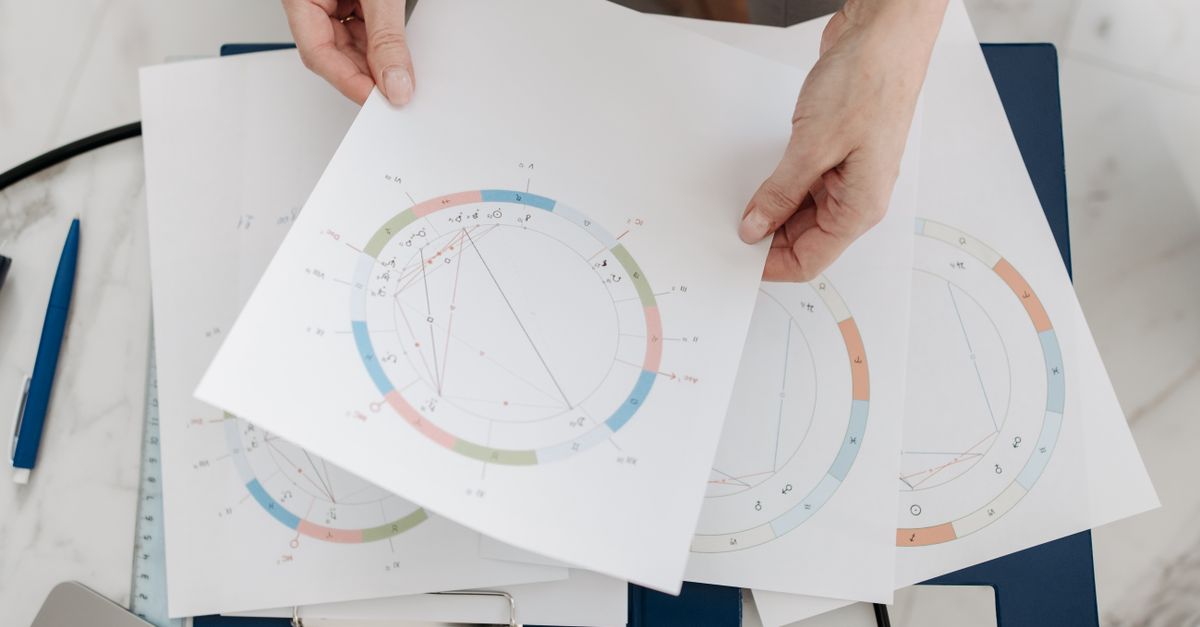
Seven Errors That Produce the Wrong Result
- Mixing the Western zodiac with the Chinese zodiac. These are separate systems with different inputs and reference tables. A Chinese zodiac animal is not one of the Western sign names supported by the element calculator. Substituting a birth-year animal for a Western sign changes the task entirely and makes the lookup unreliable. Confirm that the input is one of Aries, Taurus, Gemini, Cancer, Leo, Virgo, Libra, Scorpio, Sagittarius, Capricorn, Aquarius, or Pisces.
- Expecting the calculator to determine a sign from a birthday. The supported input is a sign you already know. No birth date or birth-chart calculation is required or accepted as part of this lookup. If you need a tropical sun sign first, determine it separately from the relevant month-and-day ranges, then return to the element lookup. Treating a date-to-sign process and a sign-to-element process as one calculation is a frequent source of confusion.
- Calling the result for one sign “my whole chart element.” A chart can contain several planetary placements, each with its own sign and element. The calculator classifies the single sign selected in the interface; it does not calculate a chart, count planetary elements, or identify a dominant element. A precise conclusion is “Cancer is traditionally classified as Water,” not “this person’s entire chart is Water.”
- Confusing an element with a modality. Fire, Earth, Air, and Water form the element axis. Cardinal, fixed, and mutable form the separate modality axis used in traditional Western astrology. Combining those labels or using one in place of the other changes the classification. Decide which system you are checking and verify the result against a reference matrix for that same system.
- Assuming the element is a scientific personality measurement. The four-element scheme has a long history in Western thought and astrology, but it is not a chemical definition and not a scientifically validated personality taxonomy. An element result should be described as a traditional or cultural classification. It should not be presented as proof of a diagnostic trait, mental condition, or objective ability.
- Using the element to rank signs or predict compatibility. Membership in a three-sign group does not make one element stronger, better, luckier, or more desirable. It also does not establish whether two people will have a good relationship. The calculator provides no compatibility score, ranking, relationship judgment, or prediction, so any such conclusion would go beyond its result.
- Trusting only the one-word result without checking the complete group. Fire contains Aries, Leo, and Sagittarius; Earth contains Taurus, Virgo, and Capricorn; Air contains Gemini, Libra, and Aquarius; Water contains Cancer, Scorpio, and Pisces. Checking all three members makes it easier to notice an incorrect sign, a mixed-up element, or an input that was not what you intended.
Choose the Correct Sign to Classify
Before looking up the element, decide exactly which Western sign you already have. You might be checking a sun sign, Moon sign, rising sign, Venus sign, or another chart placement. The calculator does not decide which placement you intended and does not calculate any placement from birth information. It simply classifies the known sign you select.
This distinction is especially important when a reader says “my zodiac element” without specifying the context. If the known sign is the Moon sign, for example, the defensible statement is that the Moon sign belongs to the element group assigned to that particular sign. Describing the same sign as the person’s sun sign would introduce an unsupported assumption. Naming the placement keeps the result accurate without requiring a full chart calculation.
The same care applies to the zodiac system. Use this workflow for the traditional Western fire-earth-air-water classification. If the subject is a Chinese birth-year animal cycle, that is a different lookup with a different input and purpose.
Calculate an Element from a Known Sign
- Select the Western sign you already know. Open the Zodiac Element Calculator and use the sign selector. Do not expect to enter a birth date; the supported workflow begins with one of the 12 known sign names.
- Read the element and inspect the complete group. Confirm that the displayed result identifies the selected sign as Fire, Earth, Air, or Water. Then check its position in the group and the other two signs shown with it. All three should belong to the same element.
- Verify the lookup in the reference matrix or reset the selector. Compare the selected sign and its two group members with the full matrix on the page. If you want to begin again, use Reset, which returns to the initial sign without retaining the earlier choice.
All lookup work occurs in the browser. The selected sign remains only in the current page state rather than being retained as a stored personal choice, and the calculator does not require a birth date. This makes it suitable for checking a sign you have already identified without turning the lookup into a date-based chart calculation.
Verify Every Sign in the Fixed Matrix
The complete matrix is the best defense against a mistaken lookup. The same assignments are published in Astrodienst’s reference to zodiac elements and The Old Farmer’s Almanac’s zodiac-elements guide.
| Element | Three signs in the group | Group size |
|---|---|---|
| Fire | Aries, Leo, Sagittarius | 3 |
| Earth | Taurus, Virgo, Capricorn | 3 |
| Air | Gemini, Libra, Aquarius | 3 |
| Water | Cancer, Scorpio, Pisces | 3 |
Every sign appears exactly once, and the four groups do not overlap. If a selected sign is missing, appears under two elements, or is paired with the wrong two members, the lookup is incorrect. The full matrix is more useful than checking only the selected word because it exposes the underlying assignment and makes coverage errors visible.
Keep the Result in Its Proper Context
A correct element lookup answers one narrow question: which traditional group contains the selected Western sign? It does not turn the word “Fire,” “Earth,” “Air,” or “Water” into a diagnosis, hiring criterion, medical claim, relationship verdict, or prediction. “Earth,” for example, does not mean that the person is literally grounded, emotionally dependable, or suited to a particular kind of work. Those would be interpretive claims outside the calculator’s supported purpose.
The same limit applies when comparing people. Two signs in the same element do not automatically mean they are compatible, and two signs in different elements do not automatically mean they are incompatible. Element membership is a traditional reference point, not a complete relationship analysis. Likewise, one element should not be described as more powerful or desirable than another because the fixed lookup does not rank the groups.
Using the phrase “traditional Western astrology classification” keeps the result in the right category. It acknowledges the cultural system behind the lookup without presenting astrology as a scientific assessment or as a sound basis for consequential decisions.
A Final Error-Check Routine
Before using an element result, run through this final check:
- Confirm that the input is a Western zodiac sign, not a Chinese zodiac animal.
- Confirm that you know the sign being classified rather than expecting a birthday conversion.
- Identify the relevant placement, such as sun sign or Moon sign, when applicable.
- Check that the result is one of the four supported elements.
- Verify that the complete three-sign group matches the fixed matrix.
- Check that the selected sign appears only once across all four groups.
- Describe the outcome as a traditional classification rather than a scientific result or prediction.
If the selector or result still seems inconsistent, reset it and repeat the lookup once to rule out a stale selection before drawing any conclusion. For a narrower follow-up, the guide to troubleshooting a zodiac element calculation focuses specifically on checking a suspect result. The central rule remains simple: verify the input, inspect all three group members, and keep the interpretation within the limits of a fixed cultural reference.
For a deeper look, see What Can Go Wrong With a Zodiac Modality Chart?.