The total surface area of a right circular cylinder is 2πr(r + h) = 2πr² + 2πrh, where r is the base radius and h is the height.
An accurate cylinder surface area calculator makes that relationship visible and separates the answer into useful parts. The Cylinder Surface Area Calculator accepts a radius and height, returns the total instantly, and shows the lateral area, one base, and both bases. It also displays the 2πr(r + h) formula.
That breakdown matters because “surface area” can refer to a closed cylinder, only the curved wall, or an object missing one or both ends. The correct numerical answer depends on which surfaces are physically present.
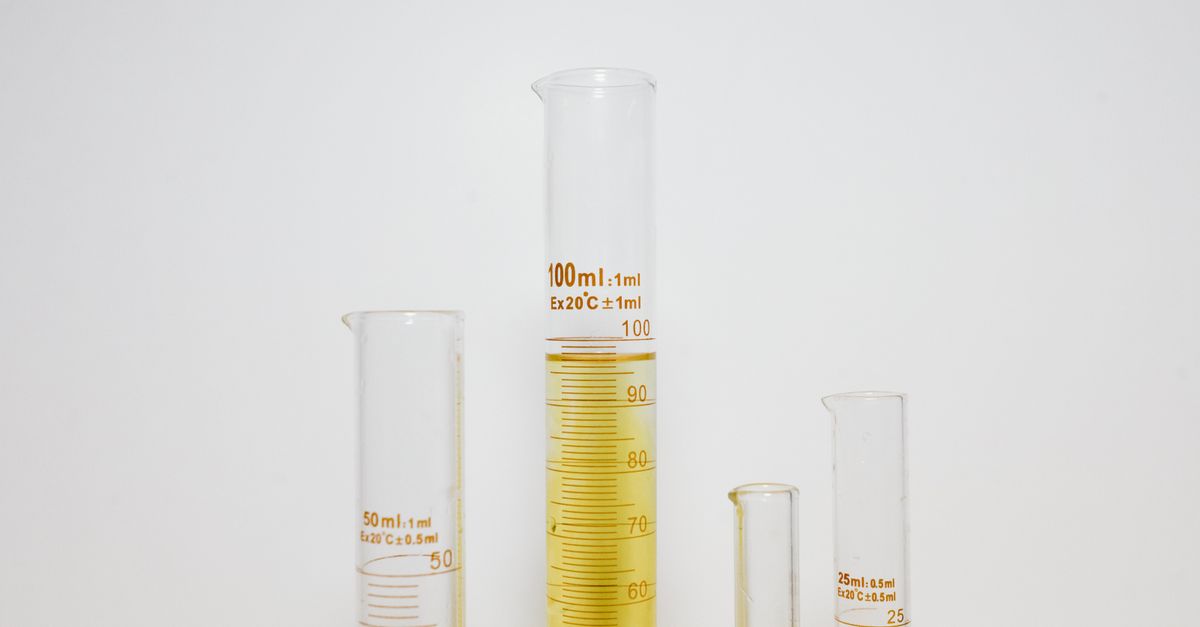
The Formula Behind an Accurate Result
A right circular cylinder has two flat circular ends and one curved side. The ends are identical because they share the same base radius. Each end has an area of πr², so together they contribute 2πr² to the total. That distinction is important when comparing a sealed cylinder with an open container.
The curved surface can be unrolled into a rectangle. Its height is h, while its width is the circumference of the base, 2πr. Multiplying width by height gives the lateral surface area, 2πrh. This is the area around the wall rather than across the top or bottom.
Adding the curved wall and both flat ends gives 2πr² + 2πrh. Factoring the expression produces 2πr(r + h), the compact form shown by the calculator. The factored and expanded formulas represent the same total, so either can be used for a mathematical check.
A step-by-step cylinder surface area formula guide provides a more detailed look at how the curved and flat surfaces combine.
Calculate a Cylinder in Three Inputs
- Enter the base radius r. Measure from the center of a circular end to its edge. If your measurement is the diameter, divide it by two before entering it because the calculator’s supported input is the radius.
- Enter the height h in the same unit as the radius. For a right cylinder, height is the perpendicular distance between the two circular bases, not the distance around the curved surface.
- Read the total and its components. The total surface area appears instantly, while the breakdown identifies the lateral area, one base, and both bases. Use those parts to confirm that 2πr(r + h) represents the surface you intended to calculate.
Once the radius and height are entered, no manual combination is required. The calculator uses the full value of π rather than 3.14, so its arithmetic matches a scientific calculator. Everything runs locally in your browser, and nothing is uploaded.
Choose the Surface Area You Need
Total surface area applies when the complete outside of a closed right circular cylinder is required, including both circular ends. A sealed can is one example. For a sheet-metal wrap, a painted tank, or a pipe wall, the curved side may be the relevant area instead.
| Area | Formula | When it applies |
|---|---|---|
| Total surface area | 2πr² + 2πrh = 2πr(r + h) | A closed cylinder with both circular ends included |
| Lateral surface area | 2πrh | Only the curved side, such as a pipe open at both ends |
| Area of one base | πr² | One flat circular end, such as the bottom of an open cup |
| Area of both bases | 2πr² | The top and bottom of a closed cylinder |
For a cylinder open at one end, such as a cup or bucket without a lid, keep one base and the curved side. Its surface area is πr² + 2πrh. A pipe open at both ends has no flat end surfaces, so its area is entirely lateral: 2πrh.
The calculator shows each physical component separately, allowing these open-cylinder combinations to be assembled without treating the closed-cylinder total as the answer. Working from the displayed parts also makes the surface choice clearer when documenting a calculation.
Units and Precision Checks
Surface area is measured in square units, so the result depends on the linear unit used for the radius and height. Before calculating, run through these checks:
- Match the two input units. If the radius is in centimetres, enter the height in centimetres too. If one measurement uses metres and the other centimetres, convert one before entry.
- Read the result as an area. Centimetres produce square centimetres, while metres produce square metres. The unit is squared because the calculation combines two dimensions.
- Use the full value of π. The calculator applies the complete mathematical value rather than the approximation 3.14, which supports an accurate comparison with a scientific calculator.
- Confirm the cylinder’s shape and dimensions. The radius-and-height formula describes a right circular cylinder. It also assumes that the radius and height are the actual measurements needed for the problem.
Even an exact formula cannot compensate for an incorrect input. Before accepting a result, check that the radius came from the center of the circular face, that the height is perpendicular to the bases, and that both measurements refer to the same cylinder. Recording the inputs and the selected surface type also makes the result easier to reproduce.
Verify a Result by Hand
Use one sample calculation to check the calculator’s total against the formula. Consider a cylinder with a radius of 5 cm and a height of 10 cm:
Total surface area: 2π(5)(5 + 10) = 150π, or approximately 471.24 cm².
Lateral surface area: 2π(5)(10) = 100π, or approximately 314.16 cm².
Area of one base: π(5²) = 25π, or approximately 78.54 cm².
Area of both bases: 2π(5²) = 50π, or approximately 157.08 cm².
The component check is 100π + 50π = 150π, matching the total. If the calculator shows a different result for the same radius, height, and unit combination, revisit the entered values and confirm that the total was compared with the intended surface combination.
Apply the Result to Real Materials
Cylinder surface area estimates the amount of material needed to cover, line, label, or paint the shape. The relevant component depends on what the material actually touches:
- Sheet metal: Use the total for a closed can or include only the lateral and required ends when the object is open.
- Paint or labels: A label wrapped only around the curved wall uses the lateral area, while a surface treatment covering the ends also includes the relevant base area.
- Duct lining: The curved wall of an open cylindrical duct is normally the surface of interest, making the lateral component the appropriate starting point.
- Heat transfer: A pipe’s exterior area provides a geometric input when estimating how heat passes through its cylindrical wall.
Shape affects the result even when capacity does not. The total-area formula grows with both radius and height, so a tall, narrow cylinder and a short, wide cylinder with the same volume can have very different surface areas. Exact values for the chosen dimensions come from the calculator rather than a general rule based only on volume.
If the task is how much a cylinder holds rather than how much material covers it, use the Cylinder Volume Calculator instead. Keeping capacity and surface area separate helps prevent a volume estimate from being used as a material quantity.
If you're weighing options, Cylinder Volume Calculator Alternative: Formula and Tool covers this in detail.